Ancient Grains vs Modern Wheat: What's Really Different?
A detailed comparison of ancient grains and modern wheat covering nutrition, gluten content, digestibility, farming practices, and environmental impact.
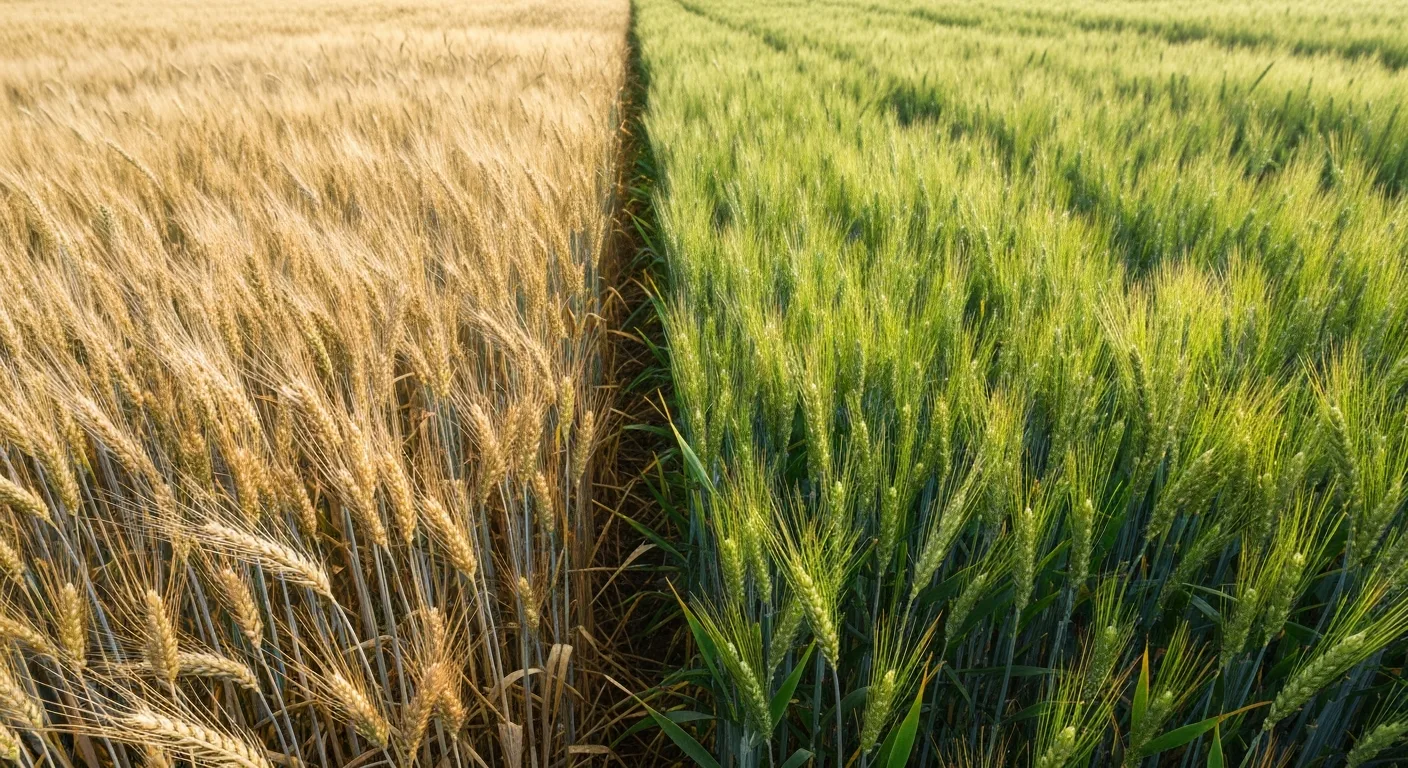
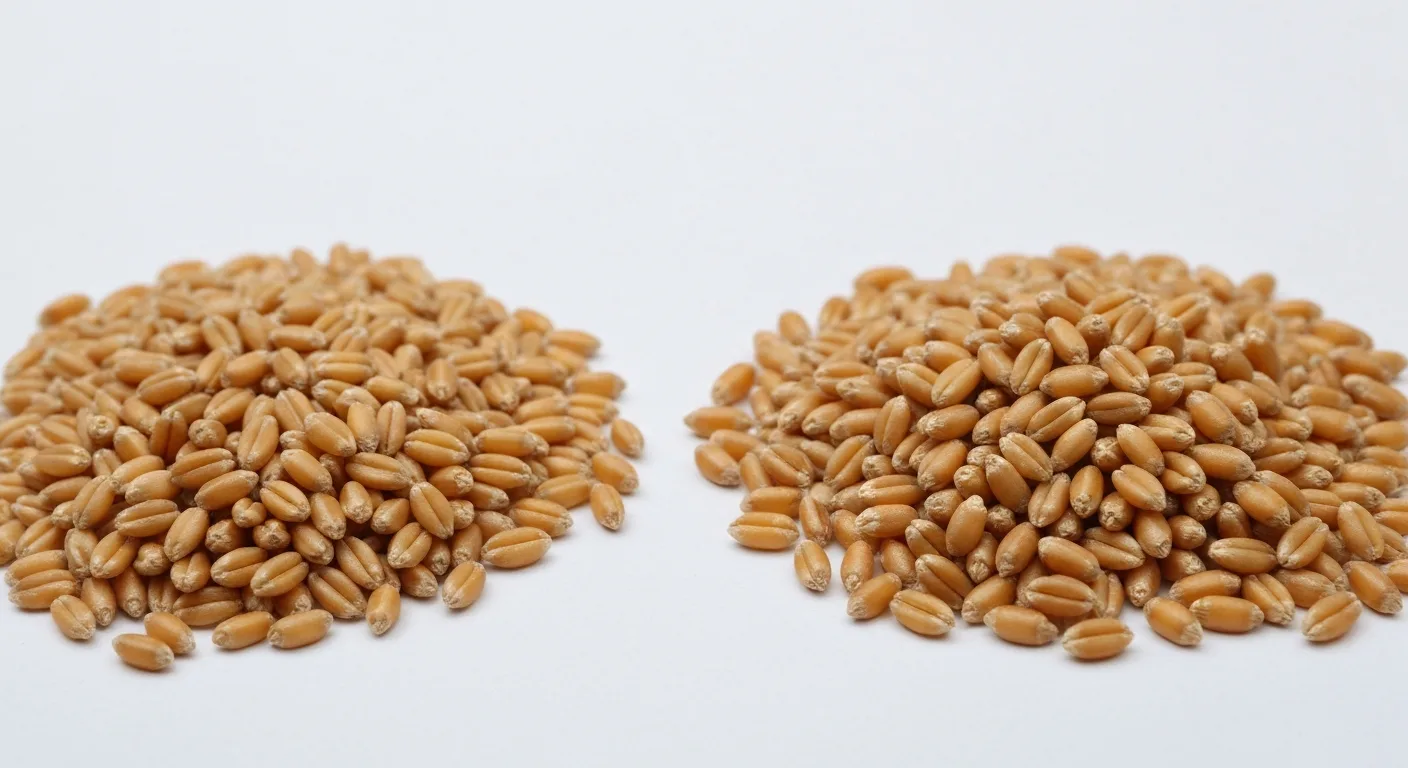
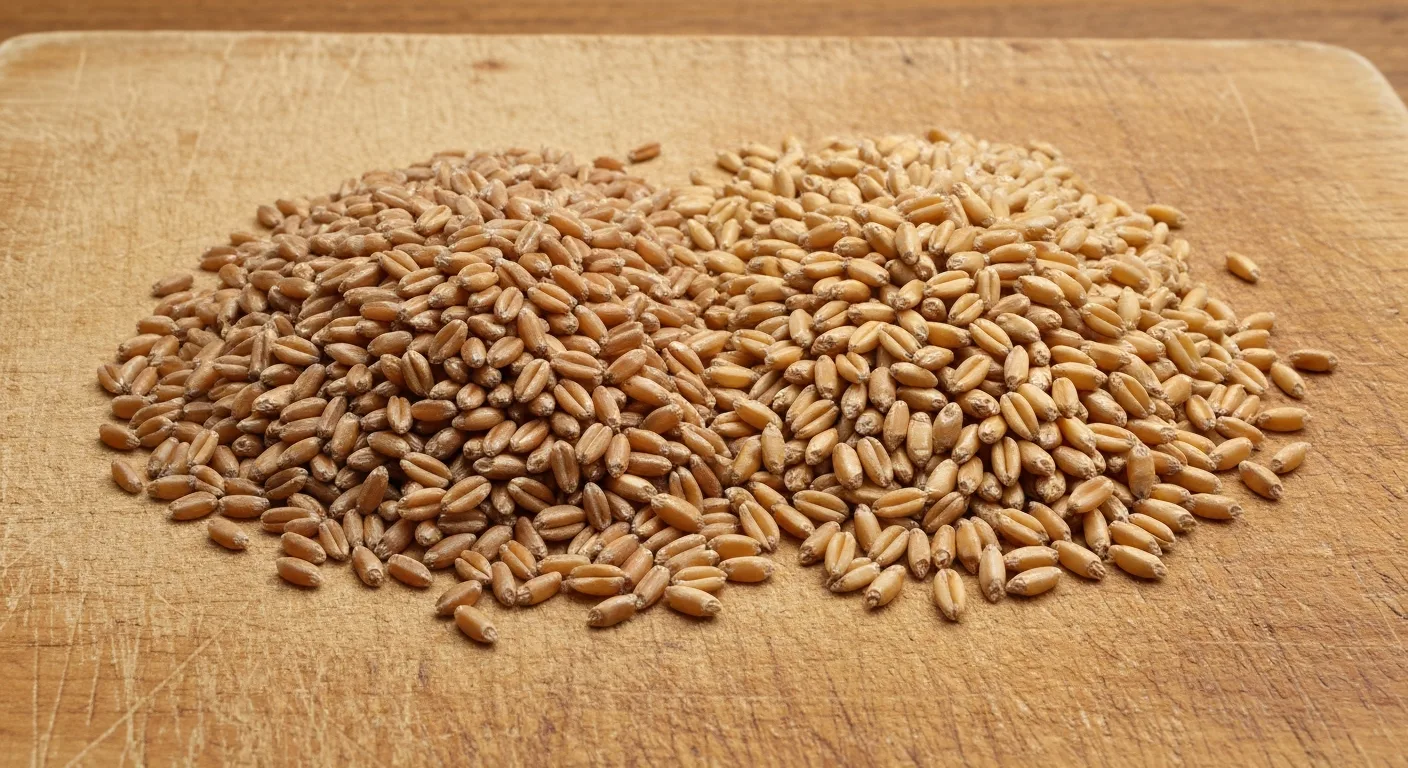
The debate between ancient grains and modern wheat is often oversimplified. Marketing copy positions ancient grains as universally superior, while skeptics dismiss the distinction as pure nostalgia. The truth lies in the science, and the science reveals real, measurable differences in genetics, protein structure, nutrient density, and agricultural characteristics. This article lays out the evidence so you can make informed decisions about the grains you eat.
For a primer on which grains qualify as “ancient,” start with What Are Ancient Grains? or browse the complete ancient grains list.
The Genetic Divide: Ploidy and Chromosome Count
The most fundamental difference between ancient and modern wheats is genetic complexity. Wheat species vary in their ploidy level, the number of complete chromosome sets in each cell.
| Wheat Type | Ploidy | Chromosomes | Examples |
|---|---|---|---|
| Diploid | 2n = 14 | 14 | Einkorn |
| Tetraploid | 4n = 28 | 28 | Emmer/Farro, Kamut, Durum |
| Hexaploid | 6n = 42 | 42 | Spelt, Modern bread wheat |
Einkorn, the oldest domesticated wheat, has just 14 chromosomes. It is genetically the simplest and most distant from modern bread wheat. Emmer (farro) and Kamut have 28 chromosomes, the result of a natural hybridization between einkorn’s ancestor and a wild grass that occurred roughly 300,000 to 500,000 years ago. Modern bread wheat and spelt share 42 chromosomes, produced by a second hybridization event about 10,000 years ago.
Why does chromosome count matter? Each set of chromosomes contributes its own set of protein-coding genes. The more chromosomes, the more diverse and complex the protein profile, including the storage proteins that form gluten. Simpler genomes tend to produce fewer types of gluten proteins, which may explain why some people find diploid and tetraploid wheats easier to digest. Simpler genomes also correlate with higher concentrations of minerals per unit of protein, a pattern documented in multiple comparative studies.
A Brief History of Wheat Breeding
To understand modern wheat, you need to understand how it got here.
Pre-Industrial Selection (10,000 BCE - 1850 CE)
For most of agricultural history, farmers selected wheat the same way: save seed from the best-performing plants and sow it next year. This process was slow and local. Regional landraces developed, each adapted to local soil, climate, and culinary preferences. The genetic changes were real but incremental. Ancient wheats like einkorn, emmer, and spelt emerged from this era.
Scientific Breeding (1850 - 1960)
Beginning in the mid-nineteenth century, plant breeders began applying Mendelian genetics to wheat improvement. Systematic crossbreeding produced varieties with higher yields, better disease resistance, and improved baking characteristics. The changes accelerated but the basic genetic framework of the wheat plant remained recognizable.
The Green Revolution (1960 - 1980)
The most dramatic transformation occurred in the 1960s and 1970s, when Norman Borlaug and colleagues developed semi-dwarf wheat varieties. By introducing dwarfing genes (Rht genes) that reduced plant height from roughly 120 cm to 70-80 cm, they created wheats that could absorb massive doses of synthetic nitrogen fertilizer without falling over (lodging). Yields doubled and then tripled. Borlaug received the Nobel Peace Prize in 1970. The new varieties averted predicted famines in India and Pakistan.
But the Green Revolution wheats were optimized for one thing above all: yield per hectare. Breeders simultaneously selected for specific gluten qualities that served industrial baking, favoring high-molecular-weight glutenin subunits that create the strong, elastic dough needed for mechanized breadmaking. Traits that did not directly serve yield or industrial processing, including micronutrient density, flavor complexity, and protein digestibility, were not selection targets and may have declined as collateral consequences.
Post-Green Revolution (1980 - Present)
Modern wheat breeding continues to prioritize yield, disease resistance, and processing quality. Some programs have begun addressing nutritional concerns through biofortification (breeding for higher zinc and iron content), but the dominant commercial cultivars remain descendants of Green Revolution germplasm.
Ancient grains bypassed this entire trajectory. Einkorn is essentially the same plant that Neolithic farmers grew. Spelt last diverged from the main wheat lineage before medieval breeding intensified. These grains carry the genetic legacy of an earlier, less optimized agriculture, with all the trade-offs that implies: lower yields, taller plants, tougher husks, but also denser nutrition, different gluten structures, and flavors that industrial breeding never selected for.
Gluten: Not All Gluten Is the Same
This is perhaps the most misunderstood aspect of the ancient vs. modern grain debate. The claim is not that ancient wheats are gluten-free. They are not. All wheat species contain gluten, and all are unsafe for people with celiac disease. The claim is that the gluten in ancient wheats is structurally and proportionally different from the gluten in modern bread wheat, and this difference may have physiological consequences for some people.
What Gluten Actually Is
Gluten is not a single protein. It is a complex formed when two families of storage proteins, gliadins and glutenins, hydrate and interact. Gliadins provide extensibility (the ability of dough to stretch). Glutenins provide elasticity (the ability of dough to snap back). The ratio and specific types of these proteins determine the baking behavior of a flour and, potentially, its immunological effects.
How Ancient and Modern Gluten Differ
Gliadin-to-glutenin ratio. Ancient wheats, particularly einkorn, tend to have a higher proportion of gliadins relative to glutenins. This produces a softer, stickier, more extensible dough that is less suitable for risen bread but works well for pasta, flatbreads, and pastries.
Glutenin molecular weight. Modern bread wheat was specifically selected for high-molecular-weight (HMW) glutenin subunits, which form the large, interconnected protein networks that trap gas and give bread its characteristic structure. Einkorn and emmer have fewer and different HMW glutenin subunits, resulting in weaker gluten networks.
Gliadin epitope diversity. Gliadins, particularly alpha-gliadins, contain the peptide sequences (epitopes) that trigger the immune response in celiac disease. Research from the Leibniz Institute of Plant Genetics and Crop Plant Research found that modern bread wheat’s hexaploid genome encodes a larger repertoire of alpha-gliadin genes, including those that produce the most immunoreactive epitopes. Diploid einkorn has fewer alpha-gliadin genes overall and, in some studies, fewer of the most potent celiac-triggering sequences. However, this does not make einkorn safe for celiacs. Even reduced epitope diversity is sufficient to trigger the autoimmune response in sensitive individuals.
What the Digestibility Research Shows
Several small clinical studies have examined whether ancient wheats are better tolerated by people without celiac disease who nonetheless experience wheat-related symptoms (non-celiac wheat sensitivity, or NCWS).
A 2014 study published in the British Journal of Nutrition compared the effects of a diet based on ancient wheat (a Khorasan wheat similar to Kamut) versus modern wheat in participants with irritable bowel syndrome. The ancient wheat diet produced significant improvements in symptom severity, including bloating, abdominal pain, and fatigue, compared to the modern wheat diet. The study was randomized, double-blind, and crossover-designed.
A 2017 study in Food Research International found that bread made from einkorn flour produced lower blood glucose and insulin responses compared to bread made from modern wheat flour, despite similar carbohydrate content. The researchers attributed this partly to differences in starch structure.
These studies are suggestive but not conclusive. Sample sizes were small, and the mechanisms are not fully understood. The totality of evidence supports a reasonable hypothesis that ancient wheat gluten is less problematic for some people, but it does not support claims that ancient wheats are hypoallergenic or safe for gluten-restricted diets.
For grain-specific comparisons, see Spelt vs Wheat and Einkorn vs Wheat.
Nutritional Comparison
Macronutrients
At the macronutrient level, ancient and modern wheats are broadly similar. Both provide roughly 330-360 calories per 100 g of dry grain, with protein content ranging from 11 to 16 g per 100 g depending on variety and growing conditions. Ancient wheats tend to cluster at the higher end of this protein range.
| Nutrient (per 100 g dry) | Modern Bread Wheat | Spelt | Einkorn | Emmer (Farro) | Kamut |
|---|---|---|---|---|---|
| Calories | 340 | 338 | 340 | 335 | 337 |
| Protein (g) | 12.6 | 14.6 | 14.3 | 14.7 | 14.5 |
| Fiber (g) | 12.2 | 10.7 | 9.8 | 11.5 | 11.1 |
| Fat (g) | 1.5 | 2.4 | 2.5 | 2.2 | 2.1 |
The differences in macronutrients are modest. The real story is in the micronutrients.
Micronutrients: The Dilution Effect
A consistent finding across studies comparing ancient and modern wheat varieties is that ancient wheats contain higher concentrations of essential minerals. A landmark 2008 study by Fan et al., published in the Journal of Trace Elements in Medicine and Biology, analyzed archived wheat grain samples from a long-running experiment at Rothamsted Research in the UK. The researchers found that zinc, iron, copper, and magnesium concentrations in wheat grain declined significantly between 1845 and the mid-2000s, with the steepest declines coinciding with the introduction of semi-dwarf varieties in the 1960s.
This is the “dilution effect”: as yields increased, the mineral content per grain did not keep pace, effectively diluting the nutrient density of each kernel. Ancient grains, which never experienced this yield intensification, retained their original mineral concentrations.
| Mineral (mg per 100 g) | Modern Bread Wheat | Einkorn | Emmer | Spelt |
|---|---|---|---|---|
| Zinc | 2.6 | 4.2 | 3.8 | 3.3 |
| Iron | 3.2 | 4.4 | 4.0 | 4.4 |
| Magnesium | 126 | 155 | 148 | 136 |
| Selenium | 70 (variable) | 25-45 | 30-50 | 12-30 |
| Phosphorus | 288 | 420 | 380 | 401 |
Note: Selenium content is highly dependent on soil selenium levels and varies more by geography than by wheat species.
Antioxidants and Phytochemicals
Ancient wheats, particularly einkorn, contain significantly higher concentrations of carotenoids than modern bread wheat. Einkorn’s lutein content can be three to eight times higher, which accounts for its characteristic yellow flour and golden baked goods. Lutein is associated with macular health and reduced risk of age-related eye diseases.
Emmer and spelt also tend to score higher on measures of total antioxidant capacity, including higher levels of polyphenols and alkylresorcinols, compared to modern wheat cultivars.
Glycemic Index and Blood Sugar Response
Ancient grains generally produce a lower glycemic response than refined modern wheat products, but the comparison is more nuanced than marketing claims suggest.
When comparing whole grain to whole grain, the differences narrow considerably. Whole modern wheat has a lower glycemic index than refined white flour just as whole ancient grains do. The key variable is processing, not species. Whole spelt berries and whole wheat berries have similar glycemic responses. The difference emerges more clearly when comparing flours: einkorn flour produces lower postprandial glucose spikes than modern wheat flour, possibly due to differences in starch granule structure and amylose-to-amylopectin ratios.
For gluten-free ancient grains, the picture is varied. Quinoa and sorghum have relatively low glycemic indices. Millet can have a moderate to high glycemic index depending on variety and preparation. Teff is moderate but high in resistant starch, which benefits gut health and moderates overall glycemic load.
Environmental and Agricultural Differences
Yield and Input Requirements
Modern wheat dramatically outperforms ancient grains in yield per hectare. Global average wheat yields are approximately 3.5 tonnes per hectare, with intensive European agriculture reaching 8 to 10 tonnes per hectare. Einkorn yields roughly 1 to 2 tonnes per hectare. Spelt reaches about 3 to 4 tonnes per hectare under favorable conditions. Emmer is similar to spelt.
However, ancient grains typically require far fewer inputs. Many can be grown without synthetic fertilizers or pesticides. Their taller stature and genetic disease resistance reduce the need for chemical fungicides. Their deep root systems access soil nutrients and water that shallow-rooted modern dwarfs cannot reach.
Climate Resilience
As climate change accelerates, the resilience traits of ancient grains become increasingly valuable.
- Teff tolerates both waterlogging and drought, thriving in conditions that would destroy modern wheat.
- Millet and sorghum are among the most drought-tolerant cereals on earth, capable of producing food in areas receiving less than 400 mm of annual rainfall.
- Spelt and einkorn have tough husks that protect against both pest damage and weather extremes during storage.
- Barley tolerates saline soils better than wheat, a critical trait as irrigation-driven salinization affects more farmland globally.
Biodiversity
Modern agriculture relies on a dangerously narrow genetic base. A handful of modern wheat cultivars dominate global production. This genetic uniformity creates systemic risk: a single pathogen adapted to those cultivars could devastate harvests across continents. Maintaining and expanding the cultivation of ancient grains preserves crop genetic diversity, providing a reservoir of traits, disease resistance, climate adaptation, nutritional profiles, that breeders may need in the future.
Cost Comparison
Ancient grains cost more, and there are structural reasons why.
| Factor | Modern Wheat | Ancient Grains |
|---|---|---|
| Yield per hectare | High (3.5-10 t/ha) | Low to moderate (1-4 t/ha) |
| Processing infrastructure | Massive, efficient | Small-scale, specialized |
| De-hulling required | No (free-threshing) | Yes (most ancient wheats) |
| Supply chain scale | Global commodity | Niche/specialty |
| Typical retail price (flour, per lb) | $0.50-$1.00 | $3.00-$8.00 |
The price premium is real, but it reflects genuine differences in production cost, not mere branding. As demand grows and cultivation expands, some ancient grains have become more affordable. Quinoa prices, for example, have fallen significantly from their peak as production expanded beyond Bolivia and Peru into dozens of countries.
The Verdict: Ancient vs. Modern
Neither ancient grains nor modern wheat is categorically “better.” The comparison is more useful when framed as trade-offs:
Choose ancient grains when you want:
- Higher micronutrient density per serving
- Different gluten structures that may improve digestibility for non-celiac individuals
- Broader culinary flavor diversity
- Support for sustainable and biodiverse agriculture
- Higher antioxidant and carotenoid intake
Modern wheat excels at:
- Affordability and accessibility
- High-rise bread baking performance
- Yield efficiency to feed large populations
- Availability and supply chain reliability
The most practical approach is not replacement but diversification. Rotating ancient grains into your diet alongside modern whole wheat gives you the nutritional breadth and culinary variety that no single grain can provide. Start with the ancient grains list to find options that fit your kitchen, and consult the nutrition guide for detailed data on specific grains.
For head-to-head comparisons of specific grains, see Spelt vs Wheat and Einkorn vs Wheat. For gluten-free options, visit our gluten-free ancient grains guide.
Last updated March 12, 2026