Ancient Grains Nutrition: Complete Guide to Vitamins, Minerals, and Health Benefits
Comprehensive nutrition guide for ancient grains — protein, fiber, vitamins, minerals, and how they compare to modern grains.
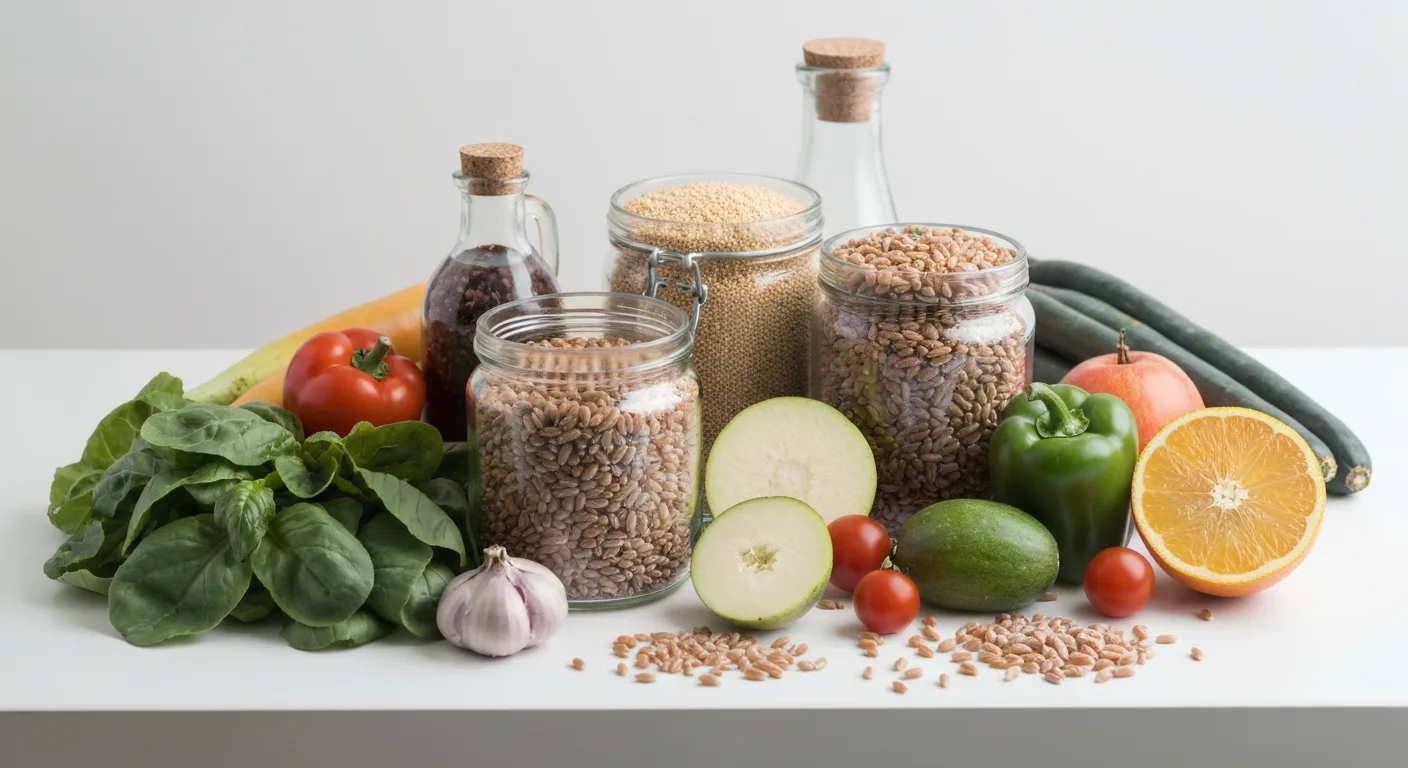
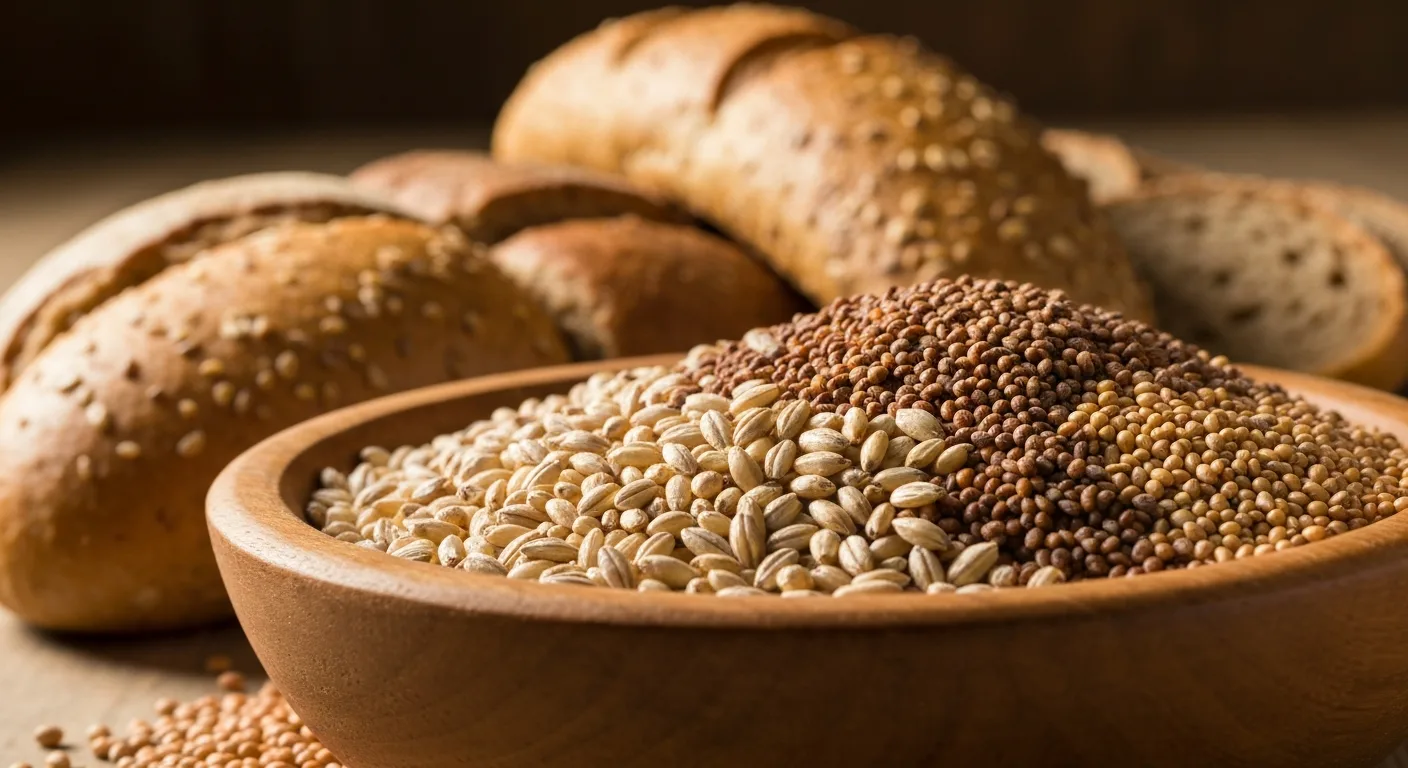
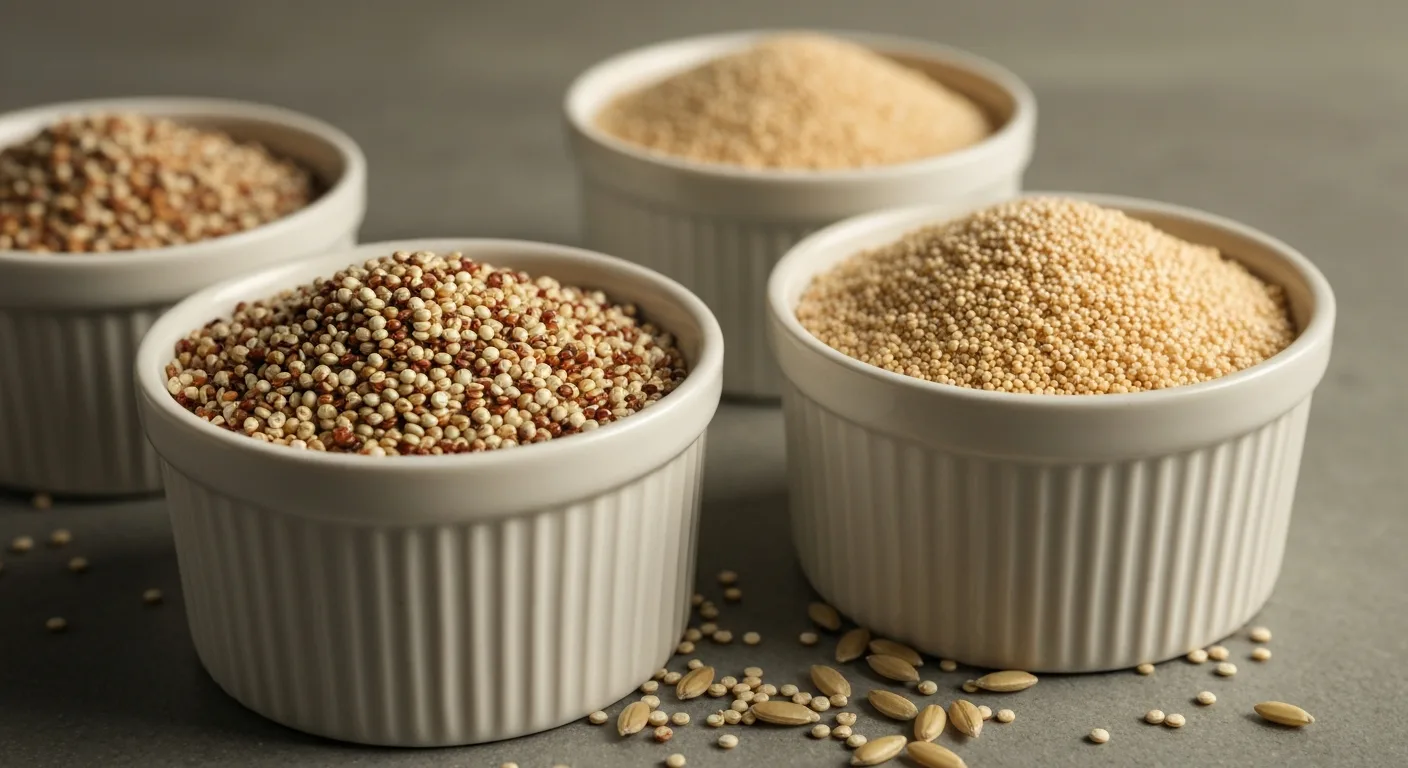
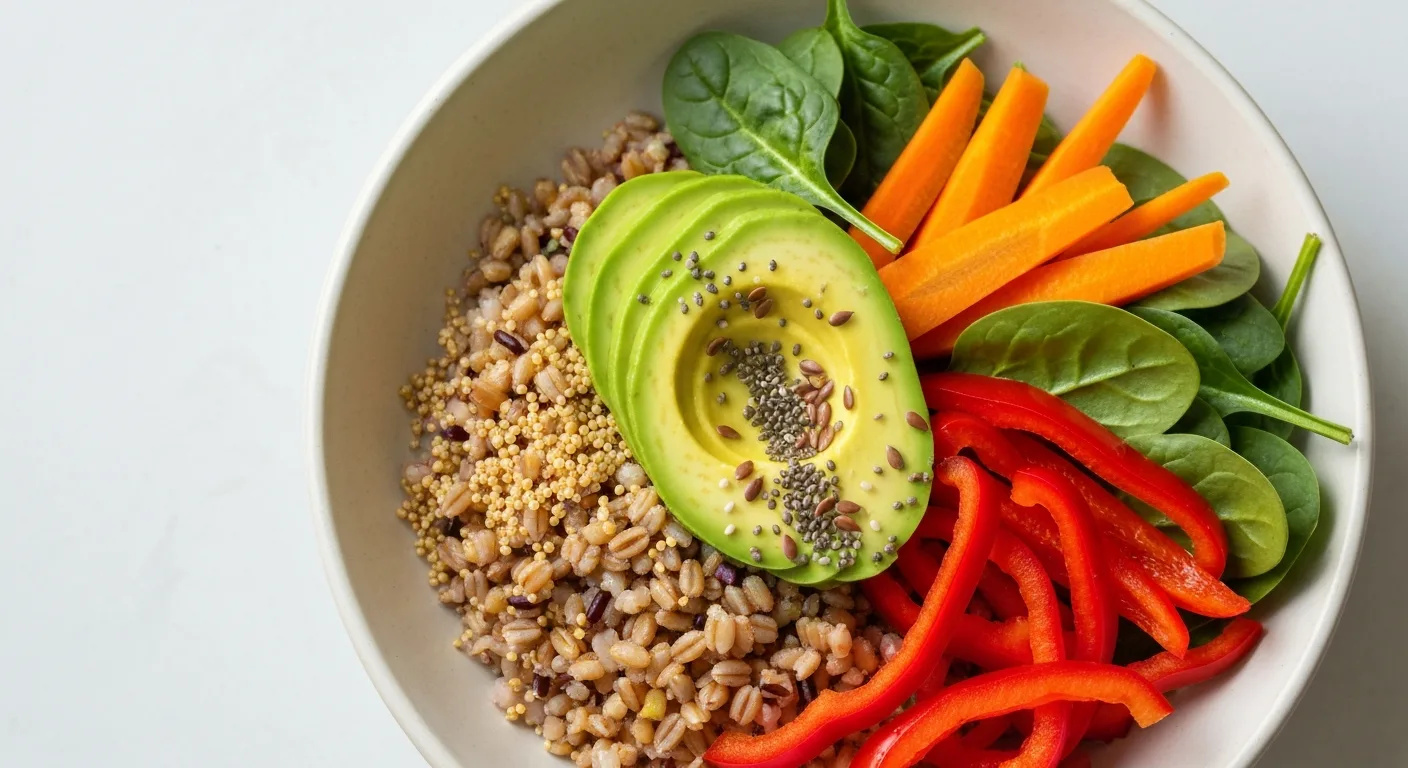
Ancient grains have earned their reputation as nutritional powerhouses, and the data backs it up. Compared to modern refined wheat, heritage grains consistently deliver more protein, more fiber, a broader spectrum of minerals, and a richer array of protective phytochemicals. This guide breaks down exactly what you get from each grain, nutrient by nutrient, so you can make informed choices for your diet.
If you are new to the category, start with our overview of what ancient grains are or browse the full ancient grains list before diving into the numbers.
Macronutrient Overview
The table below compares cooked values per 100 grams for the most widely available ancient grains alongside modern whole wheat for reference. All figures are based on USDA FoodData Central entries and peer-reviewed compositional analyses.
| Grain (cooked, 100 g) | Calories | Protein (g) | Fat (g) | Carbs (g) | Fiber (g) |
|---|---|---|---|---|---|
| Quinoa | 120 | 4.4 | 1.9 | 21.3 | 2.8 |
| Amaranth | 102 | 3.8 | 1.6 | 18.7 | 2.1 |
| Teff | 101 | 3.9 | 0.7 | 19.9 | 2.8 |
| Millet | 119 | 3.5 | 1.0 | 23.7 | 1.3 |
| Sorghum | 120 | 3.6 | 1.1 | 25.0 | 2.7 |
| Farro (emmer) | 120 | 5.0 | 0.7 | 23.8 | 3.5 |
| Spelt | 127 | 5.5 | 0.9 | 26.4 | 3.8 |
| Einkorn | 126 | 5.2 | 1.0 | 25.0 | 3.6 |
| Kamut (Khorasan) | 124 | 5.3 | 0.8 | 25.5 | 3.7 |
| Barley (hulled) | 123 | 2.3 | 0.4 | 28.2 | 3.8 |
| Buckwheat groats | 92 | 3.4 | 0.6 | 19.9 | 2.7 |
| Freekeh | 130 | 5.3 | 0.9 | 24.0 | 4.2 |
| Modern whole wheat | 124 | 3.9 | 0.6 | 27.0 | 2.1 |
Several patterns stand out. The ancient wheats - spelt, einkorn, kamut, and farro - consistently outperform modern whole wheat in protein content. The pseudocereals quinoa and amaranth offer more fat, largely from heart-healthy unsaturated fatty acids. Freekeh and barley lead the fiber rankings among cereal grains.
For a deeper dive into the protein story, see our dedicated guide to ancient grains protein. For fiber specifics, visit ancient grains and fiber.
Mineral Content
Minerals are where ancient grains truly separate themselves from modern refined grains, and often from modern whole wheat as well. Millennia of selective breeding optimized modern wheat for yield and baking performance, often at the expense of mineral density. Heritage varieties retained their mineral-rich profiles.
Key Minerals Compared
| Grain (dry, per 100 g) | Iron (mg) | Magnesium (mg) | Zinc (mg) | Phosphorus (mg) | Manganese (mg) |
|---|---|---|---|---|---|
| Quinoa | 4.6 | 197 | 3.1 | 457 | 2.0 |
| Amaranth | 7.6 | 248 | 2.9 | 557 | 3.4 |
| Teff | 7.6 | 184 | 3.6 | 429 | 9.2 |
| Millet | 3.0 | 114 | 1.7 | 285 | 1.6 |
| Sorghum | 4.4 | 165 | 1.7 | 287 | 1.6 |
| Spelt | 4.4 | 136 | 3.3 | 401 | 2.9 |
| Kamut | 4.2 | 130 | 3.7 | 364 | 2.7 |
| Einkorn | 3.9 | 126 | 3.4 | 380 | 2.5 |
| Farro (emmer) | 3.7 | 138 | 3.3 | 370 | 2.8 |
| Barley (hulled) | 3.6 | 133 | 2.8 | 264 | 1.9 |
| Buckwheat | 2.2 | 231 | 2.4 | 347 | 1.3 |
| Modern whole wheat | 3.5 | 137 | 2.6 | 288 | 3.8 |
Iron
Amaranth and teff are standout iron sources, each delivering roughly 7.6 mg per 100 g of dry grain - more than double the iron in modern whole wheat. For context, the recommended daily intake for iron is 8 mg for adult men and 18 mg for premenopausal women. A single serving of teff injera or amaranth porridge can meaningfully contribute to daily iron needs.
Keep in mind that grain iron is non-heme iron, which is less bioavailable than the heme iron in animal foods. Pairing iron-rich grains with vitamin C sources (citrus, bell peppers, tomatoes) can increase absorption by two to three times. Soaking and fermenting grains also reduces phytic acid, a compound that inhibits iron absorption.
Magnesium
Amaranth leads with 248 mg per 100 g, followed by buckwheat at 231 mg and quinoa at 197 mg. Magnesium is involved in more than 300 enzymatic reactions in the body, including energy metabolism, muscle function, and nervous system regulation. Many adults fall short of the 400-420 mg daily target, making magnesium-rich grains a practical dietary strategy.
Zinc
Kamut, teff, and einkorn cluster at the top for zinc, each providing roughly 3.4-3.7 mg per 100 g. Zinc supports immune function, wound healing, and DNA synthesis. As with iron, phytic acid can reduce zinc bioavailability, so traditional preparation methods like soaking, sprouting, and fermentation are worth adopting.
Phosphorus and Manganese
Amaranth and quinoa lead in phosphorus content, important for bone health and energy metabolism. Teff is a remarkable source of manganese at 9.2 mg per 100 g, far exceeding other grains - manganese supports bone formation, blood clotting, and antioxidant defenses.
Vitamin Content
Ancient grains are notable sources of B vitamins, vitamin E, and in some cases, vitamin K. These contributions are particularly meaningful in whole-grain form, since the germ and bran layers - where most vitamins concentrate - remain intact.
B Vitamins
The B vitamin family plays essential roles in energy metabolism, red blood cell formation, and neurological function. Here is how key ancient grains compare:
| Grain (dry, per 100 g) | Thiamin B1 (mg) | Riboflavin B2 (mg) | Niacin B3 (mg) | Folate B9 (mcg) | B6 (mg) |
|---|---|---|---|---|---|
| Quinoa | 0.36 | 0.32 | 1.52 | 184 | 0.49 |
| Amaranth | 0.12 | 0.20 | 0.92 | 82 | 0.59 |
| Teff | 0.39 | 0.27 | 3.36 | 15 | 0.48 |
| Spelt | 0.36 | 0.11 | 6.84 | 45 | 0.23 |
| Kamut | 0.40 | 0.10 | 6.38 | 43 | 0.22 |
| Barley | 0.65 | 0.28 | 4.60 | 19 | 0.32 |
| Buckwheat | 0.10 | 0.43 | 7.02 | 30 | 0.21 |
| Modern whole wheat | 0.42 | 0.12 | 5.46 | 38 | 0.34 |
Quinoa is a standout for folate at 184 mcg per 100 g - nearly half the 400 mcg daily recommendation. Folate is critical during pregnancy for neural tube development, and many populations do not consume enough from whole food sources. Barley leads in thiamin, while buckwheat and spelt offer exceptional niacin content.
Vitamin E
Vitamin E functions as a fat-soluble antioxidant, protecting cell membranes from oxidative damage. Among grains, the highest vitamin E concentrations appear in the germ fraction. Einkorn wheat is particularly notable, containing roughly 2-3 times the vitamin E (primarily as tocopherols) found in modern wheat. Kamut and spelt also outperform modern wheat in total tocopherol content. Amaranth contributes squalene, a lipid compound with antioxidant properties that is relatively rare in plant foods.
Antioxidants and Phytochemicals
Beyond basic macronutrients and micronutrients, ancient grains contain a range of bioactive compounds that modern nutritional science is still working to fully characterize.
Phenolic Compounds
Phenolic acids and flavonoids contribute to the antioxidant capacity of whole grains. These compounds neutralize free radicals, reduce oxidative stress, and may lower the risk of chronic diseases including cardiovascular disease and certain cancers.
- Sorghum contains among the highest total phenolic content of any cereal grain, particularly in pigmented (red, brown, and black) varieties. Some sorghum cultivars contain condensed tannins with potent antioxidant activity.
- Buckwheat is the richest grain source of rutin, a flavonoid glycoside that supports capillary integrity and has demonstrated anti-inflammatory effects in clinical studies.
- Teff - especially the dark brown varieties - provides notable levels of phenolic acids including ferulic acid, vanillic acid, and coumaric acid.
- Einkorn contains higher concentrations of the carotenoid lutein than any other wheat species, giving it a distinctive yellow color. Lutein is associated with eye health and macular degeneration risk reduction.
Phytic Acid: Antinutrient or Protective Compound?
Phytic acid (inositol hexaphosphate) is present in all whole grains and has traditionally been classified as an antinutrient because it binds minerals and reduces their absorption. However, emerging research recognizes phytic acid as a potential health-promoting compound with antioxidant, anti-inflammatory, and even anti-cancer properties.
The practical approach is to use traditional preparation methods - soaking, sprouting, and fermenting - that reduce phytic acid enough to improve mineral bioavailability while still retaining beneficial levels of the compound. Cultures that rely heavily on grain-based diets developed these techniques independently across the globe, a testament to accumulated nutritional wisdom.
Resistant Starch
Certain ancient grains are meaningful sources of resistant starch, a type of starch that resists digestion in the small intestine and ferments in the large intestine, functioning more like fiber. Barley, sorghum, and high-amylose millet varieties are particularly high in resistant starch. This fermentation produces short-chain fatty acids (SCFAs) - especially butyrate - that nourish colonocytes and support gut barrier integrity. Learn more about these digestive benefits in our ancient grains fiber guide.
How Ancient Grains Compare to Modern Wheat
The nutritional differences between ancient and modern grains stem largely from 20th-century plant breeding. The Green Revolution of the 1960s and 1970s produced semi-dwarf wheat varieties optimized for yield, disease resistance, and bread-making performance. These advances were critical for food security, but they came with trade-offs.
What Modern Breeding Changed
Mineral dilution. Higher-yielding varieties partition more energy into starch-heavy endosperm and less into mineral-rich bran and germ. Studies comparing heritage and modern wheat cultivars grown side by side show that modern varieties tend to have lower concentrations of zinc, iron, magnesium, and selenium per unit weight.
Gluten composition. Modern bread wheat has a different gluten protein profile than ancient wheats. While all wheat species contain gluten and are unsafe for people with celiac disease, some research suggests that the gluten in einkorn and emmer may be less immunoreactive than modern bread wheat gluten. This does not make them safe for celiac patients - see our ancient grains and celiac guide - but it may be relevant for people with non-celiac gluten sensitivity.
Phytochemical diversity. Heritage varieties often retain a broader range of phenolic compounds, carotenoids, and other bioactive molecules. Einkorn’s high lutein content is one clear example; another is the broader tocopherol profile in kamut compared to modern wheat.
What Has Not Changed
Whole modern wheat is still a nutritious food. The differences between ancient and modern grains, while real and measurable, are typically on the order of 10-40% for most nutrients - meaningful but not transformative. The largest nutritional gap in most Western diets is between whole grains and refined grains, not between ancient and modern varieties.
The strongest case for ancient grains is diversity. Eating a range of grains - teff one day, barley the next, quinoa the day after - provides a broader nutrient and phytochemical profile than relying on any single grain, modern or ancient.
Practical Nutrition: Building a Balanced Ancient Grains Diet
Protein Complementation
Most cereal grains are low in the amino acid lysine, while legumes are low in methionine. Combining grains and legumes - rice and beans, teff and lentils, millet and chickpeas - creates a complete amino acid profile. Quinoa and amaranth are exceptions: they provide all essential amino acids on their own, making them particularly valuable for plant-based diets. See our full breakdown in the ancient grains protein guide.
Maximizing Mineral Absorption
To get the most from the minerals in ancient grains:
- Soak grains for 8-12 hours before cooking to reduce phytic acid by 30-50%.
- Sprout grains for 2-3 days for even greater phytic acid reduction and increased vitamin content.
- Ferment - sourdough fermentation is one of the most effective methods for reducing phytic acid.
- Pair with vitamin C - add lemon juice, tomatoes, or peppers to grain-based meals.
- Avoid consuming calcium-rich foods and coffee/tea at the same meal - both interfere with iron absorption.
Cooking Does Not Destroy Most Nutrients
A common concern is whether cooking degrades the nutritional value of ancient grains. In practice, most minerals are heat-stable and unaffected by cooking. B vitamins are somewhat heat-sensitive, but losses during normal boiling or steaming are typically 10-25%, partially offset by increased digestibility that makes remaining nutrients more bioavailable. Antioxidant capacity in some grains actually increases with cooking, as heat releases bound phenolic compounds from the grain matrix.
Nutrient Density by Category
To simplify grain selection, here are the top performers in each nutrient category:
Highest protein: Spelt, kamut, freekeh, einkorn, farro - the ancient wheats dominate here. Among gluten-free options, quinoa and amaranth lead.
Highest fiber: Freekeh, barley, spelt, kamut. For gluten-free fiber, teff and sorghum are strong choices.
Highest iron: Amaranth, teff - both gluten-free and both delivering more than double the iron of modern wheat.
Highest magnesium: Amaranth, buckwheat, quinoa.
Highest zinc: Kamut, teff, einkorn, spelt.
Highest folate: Quinoa - in a class of its own among grains.
Highest antioxidants: Sorghum (especially pigmented varieties), buckwheat, teff.
Most complete amino acid profile: Quinoa, amaranth, buckwheat.
The Bottom Line
Ancient grains are not a magic bullet, but they are genuinely nutrient-dense foods that outperform modern refined grains on virtually every metric and match or exceed modern whole wheat in many nutrient categories. Their greatest nutritional advantage may be diversity - by rotating through different ancient grains, you expose your body to a wider range of vitamins, minerals, amino acids, and phytochemicals than any single grain can provide.
For the full picture on what these nutrients mean for your health, read our guide to ancient grains health benefits. To find which grains suit specific dietary needs - gluten-free, low-carb, or plant-based - see our ancient grains for special diets guide.
Last updated March 12, 2026