Growing Quinoa at Home: A Practical Guide
Yes, you can grow quinoa in your garden. Learn about climate requirements, soil preparation, planting, harvesting, and processing quinoa at home.
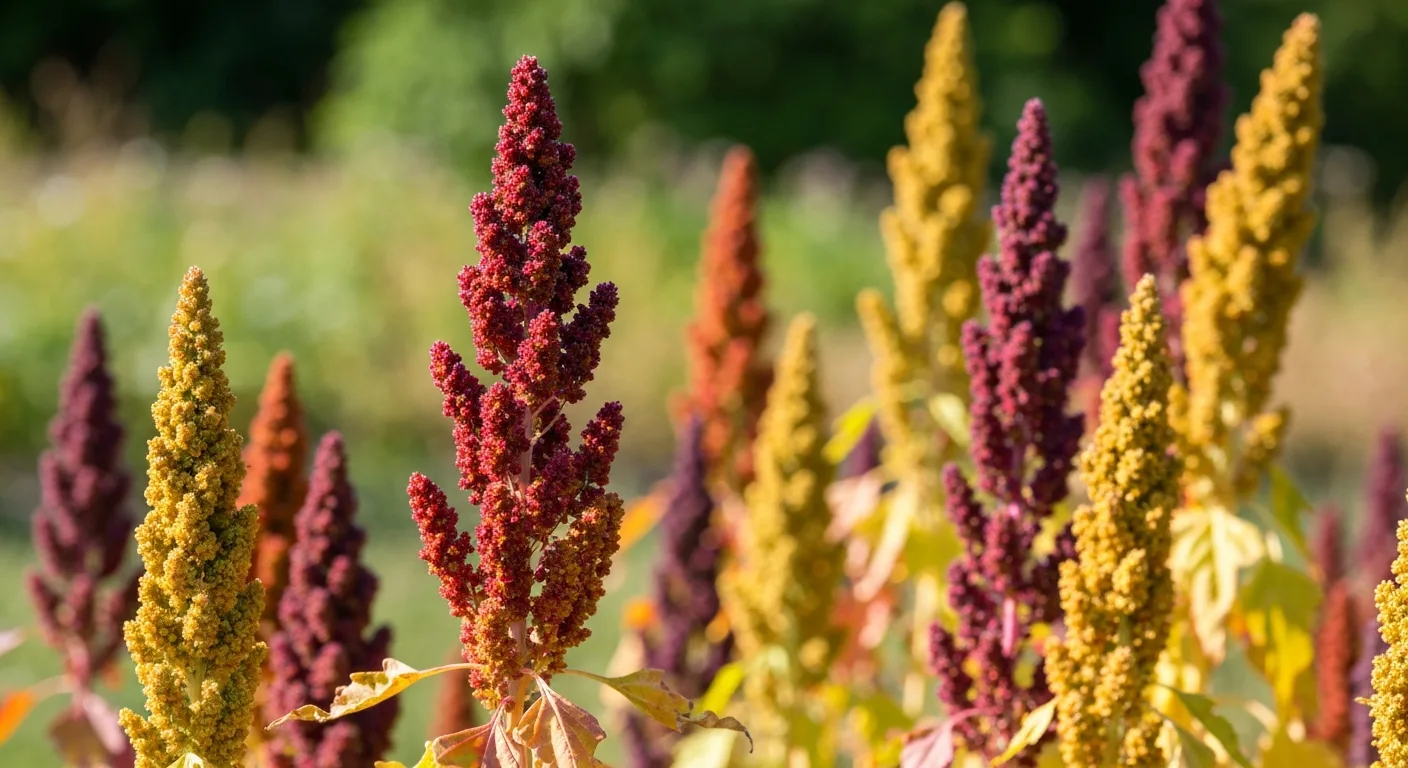
Quinoa is not just a grocery store product. It is a plant - a surprisingly beautiful one - and it can be grown in a home garden in many parts of North America, Europe, and other temperate regions. The seed heads come in vibrant shades of red, gold, orange, purple, and cream, making quinoa as ornamental as it is edible.
Growing quinoa at home is more accessible than most people assume, but it does require understanding the plant’s preferences, which are shaped by its origins in the Andean highlands. Quinoa is not difficult to grow, but it is particular. Get the conditions right and you will be rewarded with a generous harvest of fresh, home-grown grain that tastes noticeably better than anything from a store.
For the full story of quinoa’s Andean origins and how it came to be cultivated worldwide, see our history of quinoa. For nutritional information and cooking techniques, visit our quinoa overview page.
Understanding Quinoa’s Needs
Quinoa (Chenopodium quinoa) is a member of the amaranth family, closely related to common weeds like lamb’s quarters (Chenopodium album). If you have ever seen lamb’s quarters growing enthusiastically in a neglected garden bed, you already have some sense of quinoa’s general growth habit - upright, branching, leafy, and vigorous.
However, quinoa is more demanding than its weedy relatives in one critical way: it strongly prefers cool temperatures. Quinoa evolved on the Andean Altiplano, where daytime temperatures are moderate (60 to 75 degrees Fahrenheit / 15 to 24 degrees Celsius) and nighttime temperatures drop significantly, often below 40 degrees Fahrenheit (4 degrees Celsius). This cool-night requirement is the single most important factor determining whether quinoa will succeed in your garden.
Climate Requirements
Temperature: Quinoa grows best when daytime temperatures stay below 90 degrees Fahrenheit (32 degrees Celsius). Sustained heat above 95 degrees Fahrenheit (35 degrees Celsius), especially when combined with hot nights (above 65 degrees Fahrenheit / 18 degrees Celsius), can cause the plant to stop setting seed or to drop flowers - a response called heat blasting. Cool nights are essential for good seed set.
Best regions for quinoa in North America:
- Pacific Northwest (Washington, Oregon, British Columbia)
- Northern California coast
- Colorado and the intermountain West (above 5,000 feet elevation)
- New England
- Northern Midwest (Minnesota, Wisconsin, Michigan)
- Maritime Canada
- Any region with cool summers and moderate humidity
Challenging regions:
- The Deep South (too hot and humid)
- Desert Southwest at low elevations (too hot)
- Humid Gulf Coast (heat plus humidity promotes disease)
If you live in a warm climate, you may still succeed by planting early (late winter or very early spring) so that the plant matures before the hottest months. Some newer varieties have been bred for greater heat tolerance, though these are still less widely available.
Frost tolerance: Quinoa seedlings can tolerate light frosts (down to about 28 degrees Fahrenheit / -2 degrees Celsius). Mature plants are somewhat more cold-hardy. This frost tolerance is an advantage, allowing early spring planting in many regions.
Day length: Quinoa is a short-day plant in its native Andes, meaning it flowers when days begin to shorten. However, many commercial varieties (particularly those from breeding programs in the Netherlands, Denmark, and the United States) have been selected for day-length neutrality, meaning they will flower regardless of photoperiod. When purchasing seeds, look for varieties described as “day-length neutral” or bred for northern latitudes.
Sunlight
Full sun - at least 6 to 8 hours of direct sunlight per day. Quinoa is not a shade-tolerant plant. In partial shade, plants will grow tall and leggy but produce small, sparse seed heads.
Water
Quinoa is remarkably drought-tolerant once established, reflecting its origins in the semi-arid Altiplano. It needs regular moisture during germination and early seedling growth but prefers drier conditions during flowering and seed maturation. Overwatering, especially during the seed-filling stage, promotes fungal diseases and can reduce grain quality.
In most climates, natural rainfall is sufficient after establishment. If you irrigate, water deeply but infrequently - once a week during dry spells - rather than lightly and often. Avoid overhead watering during flowering; use drip irrigation or water at the base of the plant if supplemental watering is needed.
Soil Preparation
Quinoa is flexible about soil but performs best in:
- Well-drained soil. Waterlogged conditions cause root rot. If your soil is heavy clay, amend with compost and consider raised beds.
- Moderate fertility. Quinoa does not need heavy fertilization. Excessive nitrogen produces lush leaf growth at the expense of seed production. A soil amended with an inch or two of compost before planting provides adequate nutrition for most soils.
- pH range of 6.0 to 8.5. Quinoa tolerates alkaline conditions better than most crops - another adaptation to Altiplano soils. Slightly acidic to neutral soil (6.0 to 7.5) is ideal.
- Sandy loam to loamy soil. The ideal texture is light enough for good drainage but with enough organic matter to retain some moisture.
Before planting, work the soil to a fine tilth in the top 4 to 6 inches. Remove weeds thoroughly - quinoa seedlings are small and slow-growing in their first few weeks, making them vulnerable to weed competition.
Sourcing Seeds
Not all quinoa seeds from the grocery store will germinate reliably. Store-bought quinoa has often been processed (polished, heat-treated, or mechanically cleaned) in ways that can damage germination. While some gardeners have success planting grocery store quinoa, purchasing dedicated seed stock is far more reliable.
Sources for quinoa seed:
- Wild Garden Seed (wildgardenseed.com) - offers several quinoa varieties bred for North American growing conditions, including day-length neutral types
- Adaptive Seeds (adaptiveseeds.com) - specializes in regionally adapted varieties for the Pacific Northwest
- Baker Creek Heirloom Seeds (rfrareseeds.com) - carries several quinoa varieties
- Seed Savers Exchange (seedsavers.org) - members offer diverse quinoa varieties
- Local seed swaps - other growers in your region may have varieties already adapted to your climate
Recommended beginner varieties:
- Brightest Brilliant Rainbow: Stunning multicolored seed heads, good production, relatively heat-tolerant
- Cherry Vanilla: Compact plants, early maturing, attractive pink and cream seed heads
- Dave 407: Bred in Colorado for high-altitude conditions, good yield
- Titicaca: Day-length neutral variety from Danish breeding programs, widely adapted
Planting
Timing
Plant quinoa seeds directly in the garden 2 to 4 weeks before your last expected frost date. Quinoa seeds germinate in cool soil (50 to 65 degrees Fahrenheit / 10 to 18 degrees Celsius) and seedlings tolerate light frost, so there is no need to wait for warm conditions.
In most temperate regions, this means planting in early to mid-April. In cooler climates (northern states, Canada, higher elevations), late April to mid-May is appropriate. The goal is to give the plant enough growing time (90 to 120 days) to mature before fall frost.
Starting quinoa indoors is possible but generally unnecessary and introduces transplant shock risk. Direct seeding is simpler and usually produces better results.
Sowing
- Create shallow furrows about 0.25 to 0.5 inches deep.
- Sow seeds thinly. Quinoa seeds are very small - about 1 to 2 millimeters in diameter. Try to space them roughly 1 inch apart, though even distribution of such small seeds is difficult. You will thin later.
- Cover lightly with fine soil - no more than 0.25 inches deep. Seeds need light to germinate and will not emerge if buried too deeply.
- Water gently to settle the soil. Use a fine spray to avoid washing seeds away.
- Row spacing: 18 to 24 inches between rows. Quinoa plants grow 3 to 6 feet tall and need air circulation to prevent fungal issues.
Germination takes 4 to 10 days under favorable conditions (soil temperature around 55 to 65 degrees Fahrenheit).
Thinning
When seedlings are 3 to 4 inches tall, thin to one plant every 10 to 12 inches. This feels aggressive, but adequate spacing is important. Crowded quinoa plants produce smaller seed heads, are more susceptible to disease, and are harder to harvest. The thinned seedlings are edible - use the greens in salads.
Growing Season Care
Weeding
Quinoa’s biggest vulnerability is weed competition during the first 4 to 6 weeks after planting. Young quinoa plants grow slowly and can easily be overwhelmed by faster-growing weeds. Weed carefully and consistently during this early period. Once quinoa reaches about 12 inches in height, it grows rapidly and begins to shade out most competitors.
Mulching between rows with straw or leaves helps suppress weeds and retain moisture. Avoid mulching right against the stems, which can promote rot.
Watering
After establishment, quinoa is genuinely drought-tolerant. In regions with regular summer rainfall, you may not need to irrigate at all. In dry climates, water deeply once a week during the vegetative growth phase (the first 6 to 8 weeks), then reduce watering as the plant begins to flower and set seed.
The critical rule is to avoid overwatering during seed maturation. Wet conditions during this stage promote mold and can cause seeds to sprout on the plant (pre-harvest sprouting), which ruins the crop.
Fertilization
If your soil was amended with compost before planting, additional fertilization is rarely necessary. If plants appear pale or stunted, a side-dressing of balanced organic fertilizer at 6 weeks can help. Avoid high-nitrogen fertilizers, which encourage leaf growth over seed production.
Pest Management
Quinoa has relatively few pest problems, particularly in home gardens where it is a novelty crop that local insect populations have not yet adapted to.
Common issues:
- Aphids: Can colonize young plants, particularly in spring. A strong spray of water usually dislodges them. Ladybugs and lacewings are effective biological controls.
- Leaf miners: Occasionally tunnel through leaves but rarely cause significant damage.
- Flea beetles: Small holes in leaves, usually cosmetic. Floating row cover can exclude them during early growth.
- Lygus bugs (tarnished plant bugs): Can damage developing seeds. Monitoring and hand-picking works for small plantings.
- Birds and rodents: Can consume seeds as they mature. Netting may be necessary in areas with heavy bird pressure.
Diseases:
- Downy mildew (Peronospora variabilis): The most significant quinoa disease worldwide. Causes gray-purple patches on leaf undersides. Promote air circulation through adequate spacing and avoid overhead watering. Copper-based fungicides are approved for organic production if needed.
- Stem rot: Usually caused by overcrowding or excessive moisture. Prevention through proper spacing and drainage is the best approach.
Harvesting
Quinoa is ready to harvest 90 to 120 days after planting, depending on variety and growing conditions. Timing the harvest correctly is important - too early and the seeds will be immature, too late and you risk losses to shattering (seeds falling from the plant) or rain damage.
Signs of maturity
- Leaves have dropped. Most leaves will have yellowed and fallen from the plant by harvest time.
- Seed heads have dried. The clusters of seeds (panicles) should feel dry and papery, not soft or green.
- Seeds are hard. Press a seed with your fingernail - if it dents, the seeds need more time. If it resists or cracks, they are ready.
- Color change. Seed heads transition from green to their mature color (cream, gold, red, purple, depending on variety) and then begin to dry.
Harvest method
-
Cut the seed heads. Using pruners or a sharp knife, cut the seed stalks about 12 inches below the seed head. Leave them in the field to dry on tarps for a few days if rain is not expected, or bring them indoors to dry in a well-ventilated area.
-
Thresh. Once thoroughly dry, the seeds need to be separated from the chaff (the dried flower parts and stems). For small quantities, the simplest method is to rub the seed heads between your hands over a clean bucket or onto a tarp. The seeds are small and hard; the chaff is light and papery. You can also place dried seed heads in a pillowcase and gently stomp or roll them.
-
Winnow. Separate seeds from chaff by pouring the threshed material back and forth between two buckets in front of a fan or in a gentle breeze. The light chaff blows away while the heavier seeds fall into the bucket. You may need to winnow several times for a clean separation.
Processing: Removing Saponins
Fresh-harvested quinoa is coated with saponins - the bitter, soapy compounds that protect the seeds from birds and insects. Commercial quinoa is mechanically de-saponified, but home growers need to handle this step themselves.
Wet processing (recommended for home growers)
- Place harvested quinoa in a large bowl and cover with cold water.
- Agitate vigorously by rubbing the seeds between your hands.
- The water will become foamy and cloudy as saponins dissolve.
- Pour off the soapy water (through a fine strainer to catch seeds).
- Repeat 3 to 5 times until the water runs clear and no foam forms.
- Spread the rinsed quinoa on clean towels or mesh screens to dry thoroughly. This is critical - damp quinoa will mold in storage.
- Dry completely in a well-ventilated area, stirring occasionally. In dry climates, this takes 1 to 2 days. In humid conditions, you may need to use a food dehydrator on a low setting (95 to 115 degrees Fahrenheit).
Alternative: grow low-saponin varieties
Some quinoa varieties have been bred for very low saponin content, requiring minimal or no rinsing. These are sometimes called “sweet” quinoa varieties. If available, they simplify post-harvest processing considerably.
Drying and Storing
Properly dried quinoa should have a moisture content below 12 percent. You can test this approximately by biting a seed - it should crack cleanly without any softness. Seeds that bend or feel chewy need more drying time.
Store dried quinoa in airtight containers in a cool, dark place. Under these conditions, home-grown quinoa keeps for 2 to 3 years. For longer storage, freeze in sealed bags.
Saving seed
If you want to grow quinoa again next year, save seed from your best-performing, earliest-maturing plants. Quinoa is primarily self-pollinating, so varieties generally come true from saved seed, though some cross-pollination with nearby lamb’s quarters (a close relative) is possible. Isolate quinoa from lamb’s quarters by at least 100 feet if seed purity is important.
Expected Yields
A single quinoa plant in good conditions produces approximately 1 to 3 ounces of seed. A 100-square-foot bed (10 by 10 feet) with plants spaced 12 inches apart in rows 24 inches apart can accommodate about 40 to 50 plants, yielding roughly 3 to 8 pounds of seed.
This may not sound like much, but consider that 1 cup of dry quinoa (about 6 ounces) cooks up to 3 cups - enough for several meals. A home harvest of 5 pounds provides approximately 13 cups of dry quinoa, which is roughly 39 cups cooked, or about two months of weekly quinoa meals for a family.
Is It Worth It?
Growing quinoa at home is a rewarding project, but it is worth being honest about the economics. Store-bought quinoa costs $3 to $5 per pound. Growing your own involves seed costs, garden space, and several months of attention. You will not save money growing quinoa unless you garden at a significant scale.
What you will gain:
- Freshness and flavor. Home-grown quinoa, freshly harvested and processed, has a brighter, more complex flavor than commercial quinoa that may be months or years old.
- Variety. You can grow colored and heirloom varieties not available in stores.
- Ornamental value. Quinoa is genuinely beautiful - the tall plants with their vivid seed heads make a striking addition to any garden.
- Connection. Growing the same crop that Andean farmers have cultivated for 5,000 years is a tangible link to agricultural history.
- Seed sovereignty. Saving your own seed means you are never dependent on commercial supply.
If those rewards appeal to you, quinoa is well worth the garden space. Start with a small patch - even 10 plants - to learn the rhythms of the crop before scaling up.
For the commercial alternative, our guide to buying ancient grains covers every sourcing channel from grocery stores to online specialty retailers. And for cooking your harvest (or your store-bought quinoa), see our complete guide to cooking quinoa.
Last updated March 12, 2026