Sorghum: The Drought-Proof Ancient Grain
Sorghum is the fifth most important cereal crop globally. Learn about this gluten-free, drought-resistant grain's nutrition, cooking, and rising popularity.
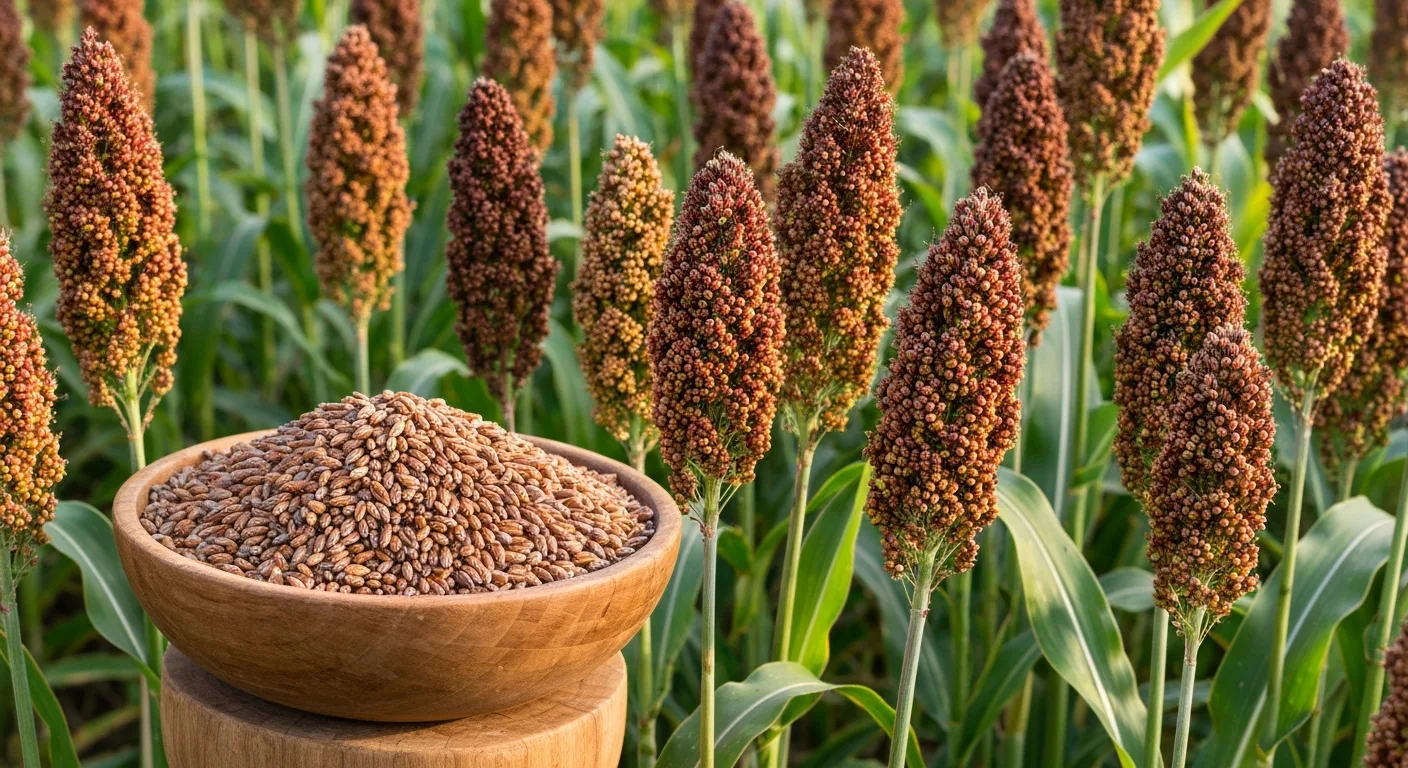
Sorghum is a quiet giant of global agriculture. Ranked as the fifth most important cereal crop in the world, behind wheat, rice, maize, and barley, sorghum feeds hundreds of millions of people across Africa and Asia, provides essential livestock feed in the Americas, and is now emerging as a premium ingredient in the Western health food market. Its combination of drought tolerance, nutritional density, gluten-free status, and exceptional antioxidant content positions it as one of the most important grains for the 21st century.
What Is Sorghum?
Sorghum (Sorghum bicolor) is a true cereal grain belonging to the grass family (Poaceae). It is a tall, sturdy plant that can reach heights of 3-5 meters, with broad leaves resembling maize and dense seed heads that cluster at the top of the stalk. The grain kernels are small and round, roughly the size of peppercorns, ranging in color from white and yellow to red, brown, and near-black depending on the variety.
Sorghum is sometimes called milo (particularly in agricultural contexts), jowar (in India), Guinea corn (in West Africa), durra (in the Middle East), or kaoliang (in China). Unlike quinoa and amaranth, which are pseudocereals, sorghum is a true grass-family grain, a distinction that matters botanically but has little practical impact on its culinary or nutritional use.
African Origins and Global Spread
Sorghum was domesticated in northeastern Africa, likely in the region spanning modern Sudan, Ethiopia, and Chad, approximately 5,000 to 8,000 years ago. Archaeological evidence from multiple sites across the Sahel confirms that sorghum was a foundational crop for early African agricultural societies, supporting the development of complex civilizations long before the grain reached other continents.
From its African origin, sorghum spread along ancient trade routes. It reached India by approximately 2000 BCE, where it became deeply embedded in the agricultural systems of the Deccan Plateau and remains a staple crop today. It arrived in China by roughly 900 CE and spread through Southeast Asia over subsequent centuries.
Sorghum reached the Americas through the Atlantic slave trade, arriving with enslaved Africans who brought seeds of crops essential to their foodways. It was initially grown in small plots by enslaved people for their own consumption. Commercial sorghum cultivation in the United States began in the 1850s, and today the U.S. is one of the world’s largest sorghum producers, though the vast majority is used for animal feed and ethanol production rather than human food.
This history matters because it contextualizes sorghum’s position in the Western food hierarchy. In Africa and India, sorghum is a respected staple grain. In the West, it has historically been viewed as animal feed, a perception that is now rapidly changing as consumers discover its nutritional value and culinary potential. For more on how ancient grains have shaped civilizations, see our article on ancient grains and civilizations.
Types of Sorghum
Sorghum varieties are classified into several functional categories:
Grain Sorghum
The type cultivated for its edible seeds. Grain sorghum varieties are further divided by color, which correlates with nutritional properties:
- White sorghum has a mild, neutral flavor and is most commonly used for flour, flatbreads, and as a rice substitute. It has the lowest tannin content.
- Red and brown sorghum have more pronounced flavors and higher tannin and antioxidant content.
- Black sorghum has the highest antioxidant concentration, comparable to blueberries, and a deep, robust flavor.
Sweet Sorghum (Sorghum Syrup)
Certain sorghum varieties are grown not for grain but for their sweet stalks, which are pressed and boiled down to produce sorghum syrup (often called sorghum molasses, though technically not molasses). Sorghum syrup is a traditional sweetener in the southern United States, with a rich, complex, buttery-sweet flavor distinct from cane sugar or corn syrup.
Broom Sorghum (Broomcorn)
Historically grown for its long, stiff panicle branches, which were used to make brooms and brushes. This variety has largely been replaced by synthetic materials but remains a niche crop.
Sorghum Nutrition
Sorghum offers a strong nutritional profile with several standout features. Here is what a one-cup serving (about 192 grams) of cooked whole grain sorghum provides:
- Calories: 316
- Protein: 10.2 grams
- Fat: 3.3 grams
- Carbohydrates: 65 grams
- Fiber: 6.5 grams
- Iron: 4.4 mg (24% DV)
- Magnesium: 105 mg (25% DV)
- Phosphorus: 280 mg (22% DV)
- Potassium: 363 mg (8% DV)
- Niacin (B3): 4.6 mg (29% DV)
- Thiamine (B1): 0.4 mg (27% DV)
- B6: 0.4 mg (18% DV)
Antioxidant Powerhouse
This is sorghum’s most distinctive nutritional feature. Certain sorghum varieties, particularly dark-colored ones, contain exceptionally high levels of phenolic compounds, flavonoids, and tannins. Some red and black sorghum varieties have been measured with antioxidant levels comparable to or exceeding those of blueberries and pomegranates.
The primary antioxidant compounds in sorghum include:
- 3-deoxyanthocyanidins - unique to sorghum among cereal grains, these compounds have demonstrated anti-inflammatory and anti-cancer properties in laboratory studies
- Tannins (in darker varieties) - condensed tannins that may reduce oxidative stress and support cardiovascular health
- Phenolic acids - including ferulic acid, caffeic acid, and p-coumaric acid
Research on sorghum antioxidants is still in relatively early stages, but the concentration and diversity of these compounds make sorghum a subject of active interest in nutritional science.
Protein and Amino Acids
Sorghum protein content ranges from 8-12% by dry weight, comparable to wheat and higher than rice. The protein is limited in lysine (as are all cereal grains) but contains reasonable amounts of other essential amino acids. Kafirin, the primary storage protein in sorghum, has lower digestibility than wheat gluten or rice protein, though traditional preparation methods like fermentation significantly improve protein digestibility.
Fiber
Whole grain sorghum provides solid fiber content, with both soluble and insoluble fractions. The fiber contributes to satiety, digestive health, and blood sugar stability. Some sorghum varieties contain significant resistant starch, which functions as a prebiotic fiber supporting beneficial gut bacteria.
For a comparison across heritage grains, visit our ancient grains nutrition guide.
Wax Layer
Sorghum has a unique outer wax layer that is not present in most other grains. This waxy coating makes whole sorghum kernels somewhat resistant to moisture absorption, which affects cooking time (longer than most grains) but also makes them exceptionally shelf-stable.
Sorghum Is Naturally Gluten-Free
Sorghum contains no gluten proteins and is safe for people with celiac disease and gluten sensitivity. Among gluten-free ancient grains, sorghum stands out for its versatility: it works as a whole grain, a flour, a syrup, and even a popped snack.
Sorghum flour has become one of the most popular gluten-free flours precisely because its mild, slightly sweet flavor blends well into baked goods without the off-flavors that some other gluten-free flours can introduce. It is a common component of commercial gluten-free flour blends.
As with all gluten-free grains, check for certified gluten-free labeling when cross-contamination is a concern.
How to Cook Whole Sorghum
Cooking whole sorghum requires patience. The waxy outer layer and dense kernel structure mean longer cooking times than most grains. But the result is a chewy, satisfying grain with a mild, pleasantly neutral flavor that absorbs seasonings beautifully.
Basic Stovetop Method
- Rinse 1 cup whole sorghum.
- Soak in water for at least 8 hours or overnight (this reduces cooking time significantly and improves texture).
- Drain and combine with 3 cups fresh water or broth.
- Bring to a boil, reduce heat to low, cover, and simmer for 50-60 minutes (soaked) or 75-90 minutes (unsoaked).
- The sorghum is done when kernels are tender but still pleasantly chewy, similar to wheat berries or farro.
- Drain any excess liquid.
Pressure Cooker
A pressure cooker is the most efficient tool for sorghum. Cook soaked sorghum at high pressure for 15-20 minutes with a natural release. Unsoaked sorghum takes 25-30 minutes.
Popped Sorghum
Like amaranth, sorghum can be popped into miniature puffs. The technique is similar to popping popcorn but on a tiny scale:
- Heat a heavy pot over high heat until very hot.
- Add 1-2 tablespoons of whole sorghum.
- Cover and shake the pot. The kernels will pop in seconds. Listen for the popping sounds to slow.
- Pour into a bowl immediately.
Popped sorghum makes a delightful snack, salad topping, or cereal addition. The puffed kernels are crunchy and mildly flavored.
Sorghum Flour: A Gluten-Free Baker’s Friend
Sorghum flour is mild-flavored, slightly sweet, and one of the closest gluten-free flours to wheat flour in terms of taste and behavior. It produces baked goods that are less gritty than those made with rice flour and less dense than those made with bean flours.
Best uses for sorghum flour:
- Pancakes and waffles (excellent standalone or in blends)
- Muffins and quick breads
- Cookies and brownies
- As part of a gluten-free all-purpose blend (typically combined with tapioca starch and potato starch)
- Flatbreads (the traditional use across Africa and India)
Sorghum flour does not provide gluten structure, so risen breads require added binders (xanthan gum, psyllium husk, or eggs).
Sorghum Syrup
Sorghum syrup deserves mention as a distinctive culinary product. Produced by pressing the juice from sweet sorghum stalks and boiling it down, much like maple syrup production, sorghum syrup has a complex, buttery, slightly tangy sweetness that is quite different from other sweeteners.
Sorghum syrup was a primary sweetener in the rural American South before cane sugar became widely affordable. It remains a treasured artisanal product in Appalachian and Southern food traditions, used on biscuits, in baking, and as a glaze for meats.
Sorghum and Climate Change
This is the dimension of sorghum’s story that may matter most in the coming decades. Sorghum is one of the most climate-resilient cereal crops on earth:
Drought tolerance. Sorghum uses C4 photosynthesis, the most water-efficient carbon fixation pathway. It can produce grain with 300-400 mm of seasonal rainfall, roughly a third of what maize requires. When drought strikes, sorghum enters dormancy rather than dying, resuming growth when rain returns.
Heat tolerance. Sorghum thrives at temperatures of 30-40C (86-104F), performing well in conditions that severely stress wheat, rice, and even maize.
Soil adaptability. Sorghum tolerates a wide range of soil types, including acidic, alkaline, saline, and low-fertility soils.
Low input requirements. Sorghum produces reasonable yields with minimal fertilizer, pesticide, and irrigation inputs, reducing both cost and environmental impact.
As global temperatures rise and water resources shrink, crops like sorghum become not just nutritionally valuable but strategically essential. Research institutions worldwide are investing in improved sorghum varieties, and several countries have expanded sorghum cultivation specifically as a climate adaptation strategy.
Buying and Storage
Whole grain sorghum, sorghum flour, and sorghum syrup are all available at natural food stores, international grocers, and online retailers. In the southern United States, sorghum syrup can often be found at farmers markets.
Storage: Whole sorghum stores exceptionally well. Its waxy outer layer protects against moisture and pests. Kept in an airtight container in a cool, dark place, whole sorghum lasts for two or more years. Sorghum flour should be refrigerated or frozen and used within a few months. Sorghum syrup keeps indefinitely in a sealed container at room temperature.
Sorghum’s Position Among Ancient Grains
On the ancient grains list, sorghum is the quiet workhorse. Less glamorous than quinoa, less storied in Western consciousness than farro or spelt, but enormously important on a global scale. It is the most widely cultivated gluten-free grain on the planet, the most climate-resilient major cereal crop, and among the richest in antioxidant compounds.
Sorghum’s path from “animal feed” to artisanal ingredient in the Western market mirrors the broader ancient grains revival, a return to crops that modern industrial agriculture marginalized. For millions of people in Africa and Asia, sorghum never needed rediscovering. For the rest of the world, the rediscovery is well underway.
Last updated March 12, 2026
Related reading
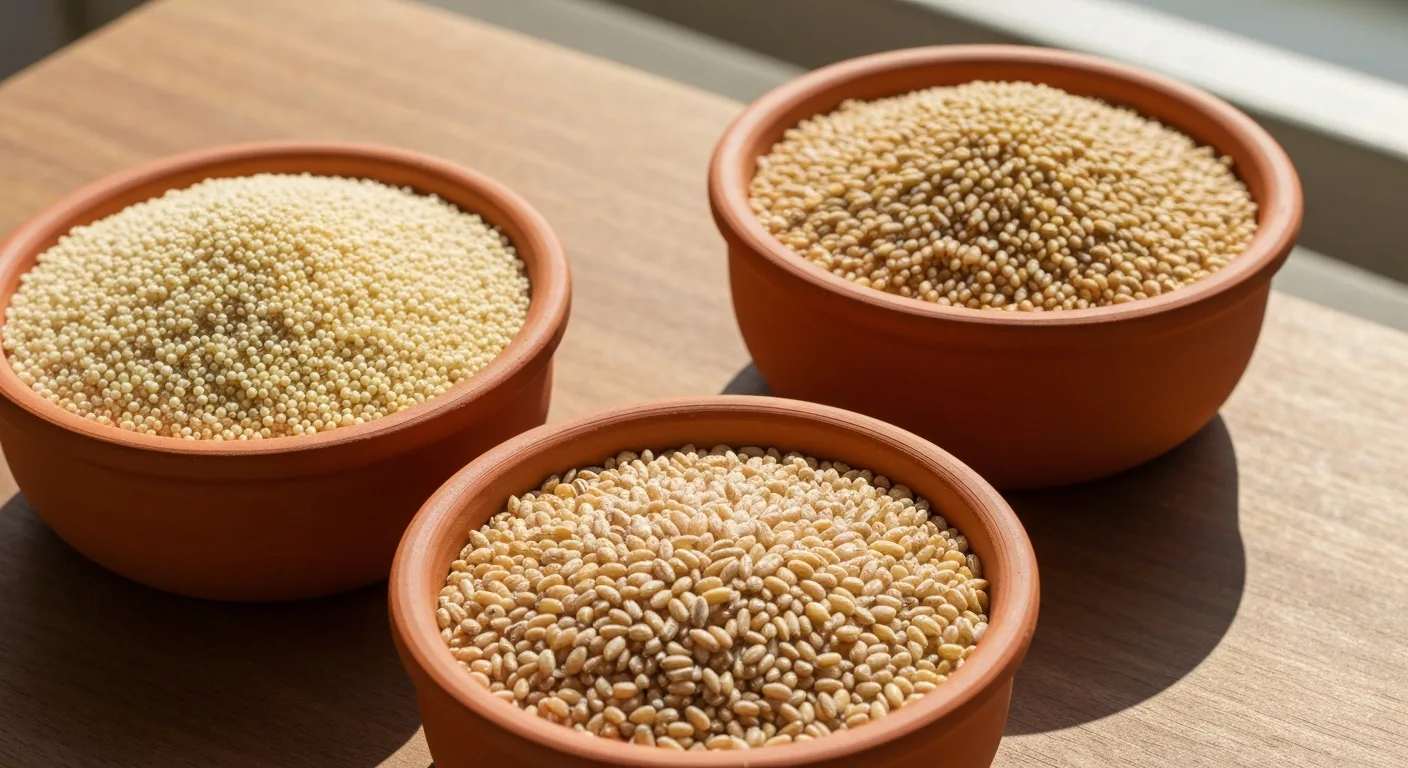
Millet: The Versatile Ancient Grain That Feeds a Billion People
Millet is one of humanity's oldest crops, feeding over a billion people worldwide. Explore its types, nutrition, cooking methods, and drought-resistant qualities.
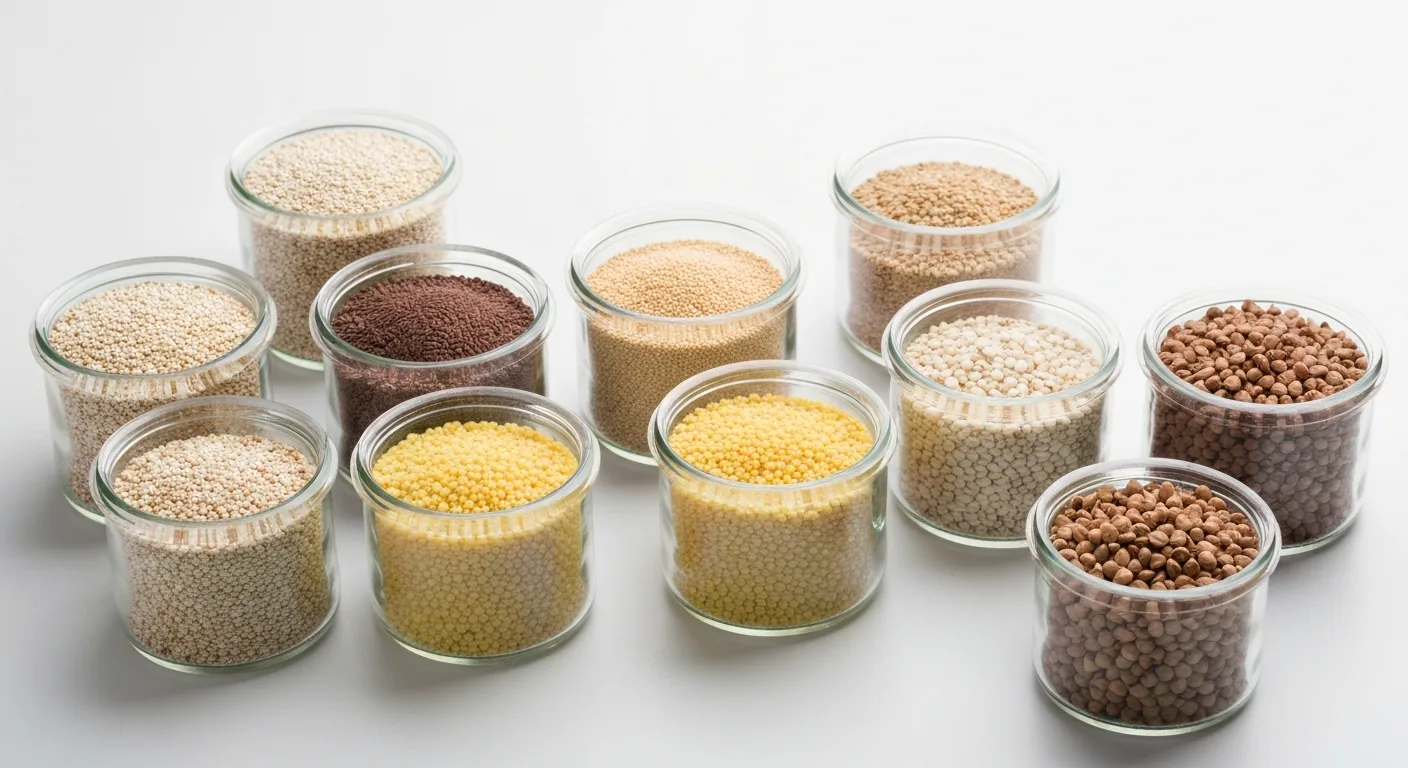
Gluten-Free Ancient Grains: The Complete Guide
A comprehensive guide to naturally gluten-free ancient grains — quinoa, amaranth, teff, millet, sorghum, buckwheat, and more.
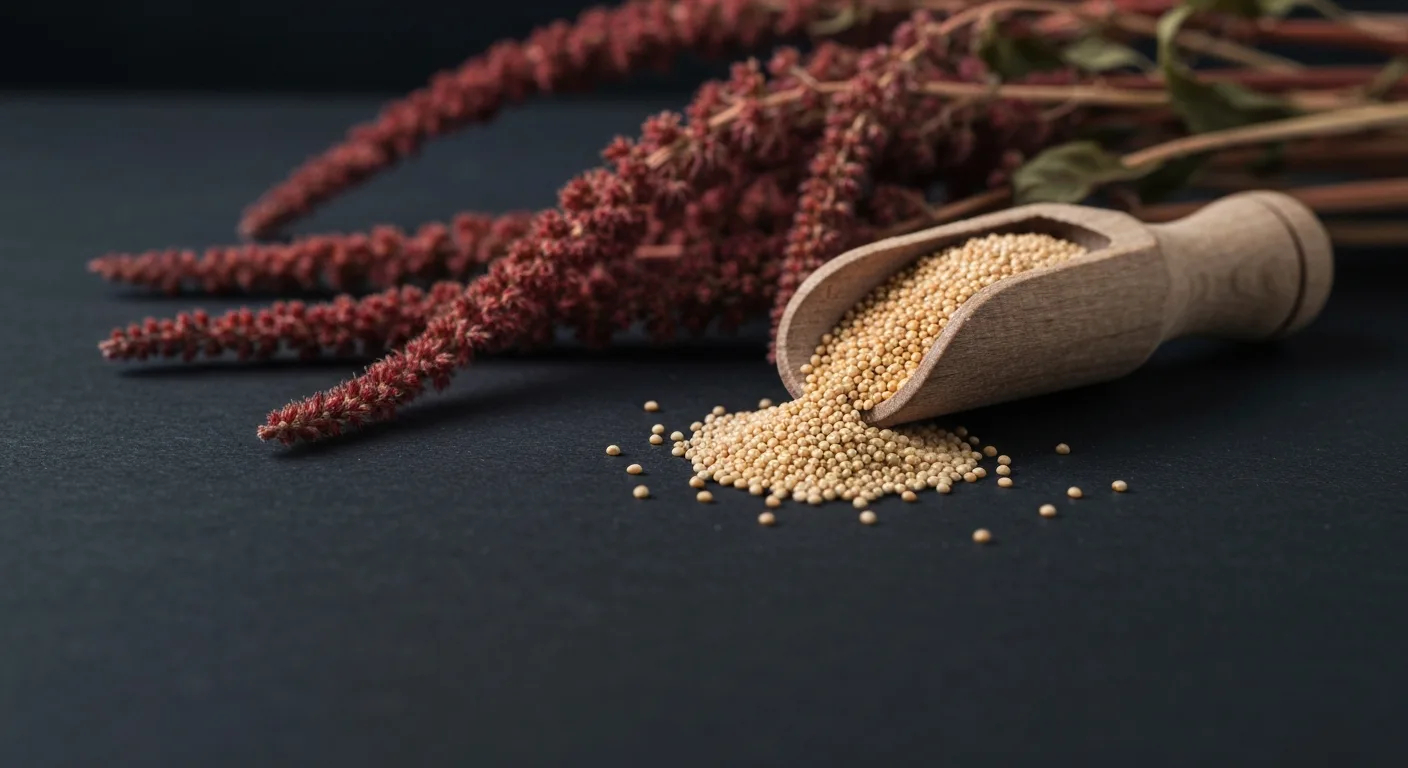
Amaranth: Nutrition, Cooking, and History of the Aztec Superfood
Discover amaranth — the tiny grain packed with complete protein, calcium, and iron that sustained the Aztec empire and is now a global superfood.
Teff: Ethiopia's Tiny Grain with Enormous Nutrition
Teff is the world's smallest grain and the foundation of Ethiopian cuisine. Learn about its exceptional nutrition, gluten-free status, and culinary uses.