Health Benefits of Ancient Grains: What the Research Shows
Evidence-based health benefits of ancient grains including heart health, blood sugar control, digestive health, and anti-inflammatory effects.
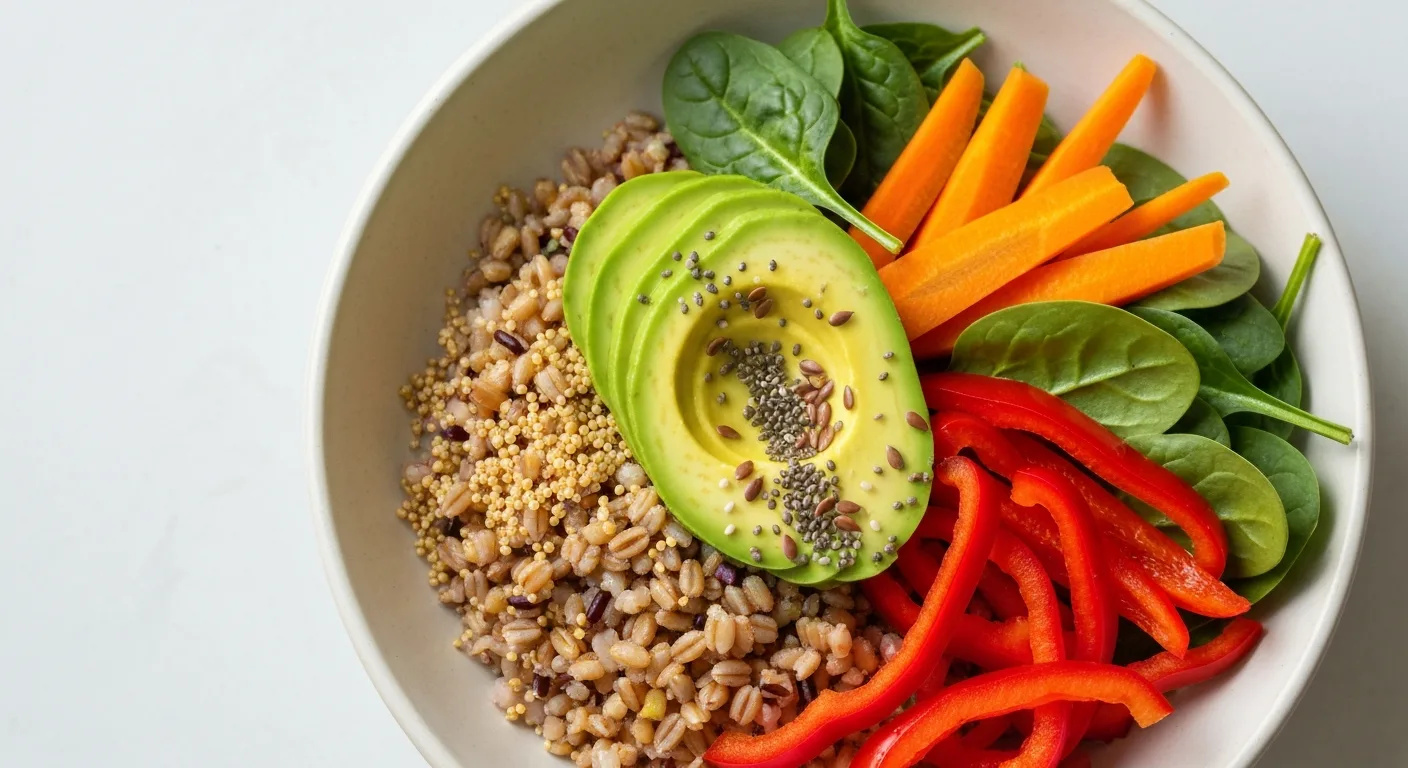
The health claims around ancient grains range from solidly evidence-based to wildly speculative. This guide separates the two, drawing on clinical trials, epidemiological studies, and mechanistic research to explain what ancient grains can - and cannot - do for your health.
The short version: ancient grains are genuinely beneficial for cardiovascular health, blood sugar regulation, digestive function, and chronic disease risk reduction. These benefits come primarily from their fiber, mineral density, and phytochemical diversity, all of which are covered in detail in our ancient grains nutrition guide.
Cardiovascular Health
Heart disease remains the leading cause of death globally, and dietary patterns rich in whole grains are among the most consistently supported interventions for reducing cardiovascular risk.
The Whole Grain Effect
Large prospective cohort studies - including the Nurses’ Health Study, the Health Professionals Follow-Up Study, and several European cohorts - have demonstrated that consuming three or more servings of whole grains daily is associated with a 20-30% reduction in cardiovascular disease risk compared to low whole-grain diets. This effect holds after adjusting for other dietary and lifestyle factors.
Ancient grains contribute to this effect through the same mechanisms as other whole grains, but several offer additional advantages.
Barley and Beta-Glucan
Barley is the richest cereal source of beta-glucan, a soluble fiber with well-documented cholesterol-lowering properties. Beta-glucan forms a viscous gel in the small intestine that binds bile acids, forcing the liver to pull cholesterol from the bloodstream to synthesize replacements. The FDA has authorized a health claim for beta-glucan and coronary heart disease risk reduction based on evidence that 3 grams per day of beta-glucan from barley or oats can reduce LDL cholesterol by 5-10%.
A meta-analysis of 14 randomized controlled trials found that barley beta-glucan consumption significantly reduced total cholesterol, LDL cholesterol, and triglycerides without affecting beneficial HDL cholesterol. One cup of cooked hulled barley provides roughly 2.5-3 grams of beta-glucan, making it straightforward to reach the therapeutic dose. For more on barley’s fiber profile, see our ancient grains fiber guide.
Buckwheat and Blood Lipids
Buckwheat contains rutin, a flavonoid that has demonstrated cardioprotective effects in both animal models and human observational studies. Populations with high buckwheat consumption - notably in parts of China, Japan, and Eastern Europe - tend to show lower rates of hypercholesterolemia. Buckwheat proteins have also been shown to inhibit the activity of angiotensin-converting enzyme (ACE) in vitro, suggesting a potential mechanism for blood pressure reduction, though human clinical data remains limited.
Sorghum and Vascular Function
Pigmented sorghum varieties contain high concentrations of 3-deoxyanthocyanidins, a unique class of polyphenols with potent antioxidant activity. Animal studies suggest these compounds may improve endothelial function - the ability of blood vessels to dilate properly - and reduce markers of vascular inflammation. Human clinical trials are underway, and early results are encouraging.
Amaranth and Blood Pressure
Amaranth contains bioactive peptides (lunasin and other sequences) that have demonstrated ACE-inhibitory activity in laboratory studies. Several small clinical trials in Central and South America have reported modest blood pressure reductions in hypertensive individuals consuming amaranth-based products daily. While these studies are promising, larger and more rigorous trials are needed to confirm the effect.
Blood Sugar Control and Diabetes Prevention
The relationship between whole grains and type 2 diabetes risk is one of the most robust findings in nutritional epidemiology.
Glycemic Response
Ancient grains generally produce a lower glycemic response than refined modern grains - meaning blood sugar rises more slowly and less dramatically after consumption. This matters for diabetes prevention and management, as repeated glucose spikes contribute to insulin resistance over time.
Several factors explain the favorable glycemic profile of ancient grains:
Intact grain structure. Many ancient grains retain their bran and germ even after minimal processing. This intact grain matrix slows enzymatic access to starch, reducing the rate of glucose release. Intact barley, for instance, produces a significantly lower glycemic response than barley flour, even though the chemical composition is identical.
Fiber content. Soluble fiber slows gastric emptying and creates a physical barrier to starch digestion. Ancient grains with high soluble fiber - barley, oats, and to a lesser extent teff and sorghum - produce particularly flat postprandial glucose curves.
Amylose-to-amylopectin ratio. Grains with a higher proportion of amylose starch (which forms tighter, harder-to-digest structures) produce lower glycemic responses. Some heritage sorghum and millet varieties have naturally high amylose content.
Resistant starch. Barley and sorghum contain meaningful amounts of resistant starch, which passes through the small intestine undigested. Cooling and reheating cooked grains further increases resistant starch content through retrogradation - a practical reason to cook grains in batches and refrigerate them.
Epidemiological Evidence
A 2020 meta-analysis pooling data from over 600,000 participants found that each additional daily serving of whole grains was associated with a 7% reduction in type 2 diabetes risk. Ancient grains specifically have been less studied in large cohort studies simply because dietary questionnaires rarely distinguish between grain types, but the mechanistic evidence strongly supports their inclusion in diabetes-prevention dietary patterns.
Teff and Glycemic Control
Teff has attracted specific research attention for glycemic management. A randomized controlled trial in Ethiopia found that participants consuming teff-based injera had lower postprandial blood glucose levels than those consuming wheat-based bread, even with matched carbohydrate intake. Teff’s high fiber content, small grain size (which paradoxically slows digestion because the bran-to-endosperm ratio is high), and notable iron and calcium content make it a particularly good choice for metabolic health.
Digestive Health and the Gut Microbiome
The gut microbiome - the trillions of microorganisms inhabiting the large intestine - has emerged as a central player in human health, influencing everything from immune function to mental health. Ancient grains feed these organisms in ways that promote beneficial microbial communities.
Prebiotic Effects
Dietary fiber from whole grains serves as a prebiotic substrate, meaning gut bacteria ferment it to produce short-chain fatty acids (SCFAs). The three primary SCFAs - acetate, propionate, and butyrate - have distinct health-promoting functions:
- Butyrate is the preferred energy source for colonocytes (cells lining the colon), supports gut barrier integrity, and has anti-inflammatory and anti-cancer properties.
- Propionate travels to the liver where it modulates cholesterol synthesis and gluconeogenesis.
- Acetate enters systemic circulation and influences appetite regulation and fat oxidation.
Different grain fibers produce different SCFA profiles, which is one reason dietary diversity matters. Barley beta-glucan is a potent butyrate producer. Sorghum arabinoxylans promote propionate production. The varied fiber structures in teff, millet, and buckwheat each support different bacterial populations.
Microbiome Diversity
A 2019 randomized controlled trial compared the gut microbiome effects of a whole grain diet versus a refined grain diet over six weeks. The whole grain group showed increased microbial diversity, higher counts of Lactobacillus and Bifidobacterium species, and elevated fecal SCFA concentrations. While this study used a mix of grains, the principle extends directly to ancient grains, which offer even greater structural and compositional variety than modern whole wheat alone.
For a detailed look at fiber types and content across ancient grains, visit our ancient grains fiber guide.
Digestive Regularity
The insoluble fiber in ancient grains - cellulose, hemicellulose, and lignin from the bran layers - adds bulk to stool and accelerates intestinal transit time. This reduces constipation risk and may lower the incidence of diverticular disease. Freekeh, spelt, and kamut are particularly high in insoluble fiber, making them effective for promoting regularity.
Anti-Inflammatory Effects
Chronic low-grade inflammation is a unifying mechanism underlying many modern diseases, including cardiovascular disease, type 2 diabetes, neurodegenerative conditions, and certain cancers. Dietary patterns that reduce systemic inflammation are therefore broadly protective.
Whole Grains and Inflammatory Markers
Clinical trials consistently show that whole grain consumption reduces circulating levels of C-reactive protein (CRP), interleukin-6 (IL-6), and tumor necrosis factor-alpha (TNF-alpha) - key markers of systemic inflammation. A 2021 meta-analysis of 18 intervention studies found that whole grain intake significantly reduced CRP levels, with an average reduction of 0.4 mg/L.
Grain-Specific Anti-Inflammatory Compounds
Several ancient grains contribute anti-inflammatory compounds beyond what standard fiber provides:
Sorghum polyphenols. The 3-deoxyanthocyanidins in pigmented sorghum have demonstrated anti-inflammatory activity in cell culture and animal models, inhibiting NF-kB signaling - a master regulator of inflammatory gene expression.
Buckwheat rutin. Rutin inhibits multiple inflammatory pathways and has shown protective effects against inflammation-driven vascular damage in animal studies. Buckwheat also contains D-chiro-inositol, which may improve insulin signaling and reduce inflammation associated with insulin resistance.
Quinoa saponins and peptides. While saponins are often washed off quinoa before cooking (they taste bitter), moderate saponin intake has demonstrated anti-inflammatory properties in preclinical models. Quinoa protein hydrolysates have also shown anti-inflammatory activity.
Einkorn carotenoids. The lutein and zeaxanthin in einkorn contribute to antioxidant defenses that counteract inflammatory oxidative stress.
Weight Management
Ancient grains support healthy weight management through several complementary mechanisms, though they are not a weight-loss magic bullet.
Satiety
High-fiber foods increase satiety - the subjective sense of fullness after eating - through multiple pathways. Fiber absorbs water and expands in the stomach, triggering stretch receptors. Viscous fibers like beta-glucan slow gastric emptying, prolonging the feeling of fullness. SCFA production from fiber fermentation stimulates gut hormones (PYY and GLP-1) that suppress appetite.
Barley, freekeh, and spelt are among the most satiating grains due to their high fiber content and intact grain structure.
Energy Density
Cooked whole grains are relatively low in energy density - they provide substantial volume and weight per calorie because they absorb significant water during cooking. A cup of cooked quinoa (185 calories) or barley (193 calories) provides a satisfying portion size that would require far more calories to match with refined grain products.
Thermic Effect
Whole grains require more metabolic energy to digest than refined grains. A controlled feeding study found that participants consuming whole grains had higher resting metabolic rates and greater fecal energy losses compared to those eating refined grains with identical caloric content - effectively a difference of about 100 calories per day.
Cancer Risk Reduction
The evidence linking whole grain consumption to reduced cancer risk is strongest for colorectal cancer and suggestive for several other cancer types.
Colorectal Cancer
The World Cancer Research Fund classifies the evidence that whole grains reduce colorectal cancer risk as “probable.” A dose-response meta-analysis found that each 90-gram daily serving of whole grains was associated with a 17% reduction in colorectal cancer risk. The mechanisms likely involve fiber-mediated reductions in intestinal transit time (reducing contact between carcinogens and the colonic mucosa), butyrate production (which promotes apoptosis of damaged colonocytes), and the antioxidant and anti-inflammatory effects of grain phytochemicals.
Other Cancers
Observational data suggests associations between whole grain intake and reduced risk of gastric, pancreatic, and endometrial cancers, though the evidence is less robust than for colorectal cancer. The phytochemicals in specific ancient grains - sorghum polyphenols, amaranth lunasin peptide, buckwheat flavonoids - have shown anti-proliferative effects in cell culture studies, but translating cell culture results to human clinical relevance requires caution.
Bone Health
Several ancient grains contribute nutrients critical for bone metabolism. Teff is an often-overlooked source of calcium, providing roughly 180 mg per 100 g of dry grain - far more than any other cereal. Amaranth and quinoa are good sources of magnesium and phosphorus, both essential for bone mineralization. The manganese in teff and amaranth supports collagen formation in bone tissue.
For populations that avoid or limit dairy, calcium-rich ancient grains like teff offer a meaningful contribution to daily calcium needs.
Mental Health and Cognitive Function
Emerging research connects whole grain consumption to brain health through several pathways:
- B vitamins - particularly folate, B6, and B12 - are essential for homocysteine metabolism. Elevated homocysteine is a risk factor for cognitive decline and dementia. Quinoa’s exceptional folate content makes it relevant here.
- Magnesium supports neurotransmitter function and has been associated with lower rates of depression in observational studies. Amaranth, buckwheat, and quinoa are among the richest grain sources.
- Gut-brain axis. The SCFA production from grain fiber fermentation influences brain function through vagal nerve signaling, immune modulation, and tryptophan metabolism. This is an active area of research with significant implications.
What the Evidence Does Not Support
There are also claims that ancient grains have not been shown to support:
- Cure celiac disease. Some marketing implies ancient wheats like einkorn or spelt are safe for celiac patients. They are not. All wheat species contain gluten proteins that trigger the autoimmune response in celiac disease.
- Replace medication. Ancient grains can complement medical treatment for conditions like diabetes and hypertension, but they do not replace pharmaceutical interventions when those are indicated.
- Detoxify the body. No grain has detoxification properties. The liver and kidneys handle detoxification; grains support these organs through general nutritional adequacy, not through any special cleansing mechanism.
Practical Recommendations
To maximize the health benefits of ancient grains:
- Eat a variety. Different grains offer different bioactive compounds. Rotating through quinoa, barley, teff, sorghum, buckwheat, and others provides the broadest phytochemical exposure.
- Choose whole grain forms. Intact grains retain more fiber, minerals, and phytochemicals than flour products. When you do use flour, choose stone-ground or whole-grain versions.
- Use traditional preparation methods. Soaking, sprouting, and fermenting improve nutrient bioavailability.
- Aim for 3+ servings of whole grains daily. This is the intake level most consistently associated with health benefits in the research.
- Consider ancient grains as part of a dietary pattern. The Mediterranean, DASH, and traditional diets that include diverse whole grains show the strongest health outcomes.
For detailed nutritional data on each grain, return to our ancient grains nutrition guide. To understand which grains work for specific dietary needs, see our special diets guide. For protein-specific guidance, read our ancient grains protein guide.
Last updated March 12, 2026