Where to Buy Ancient Grains: Complete Sourcing Guide
Find ancient grains near you or online — from grocery stores and specialty shops to bulk suppliers and farmers markets.
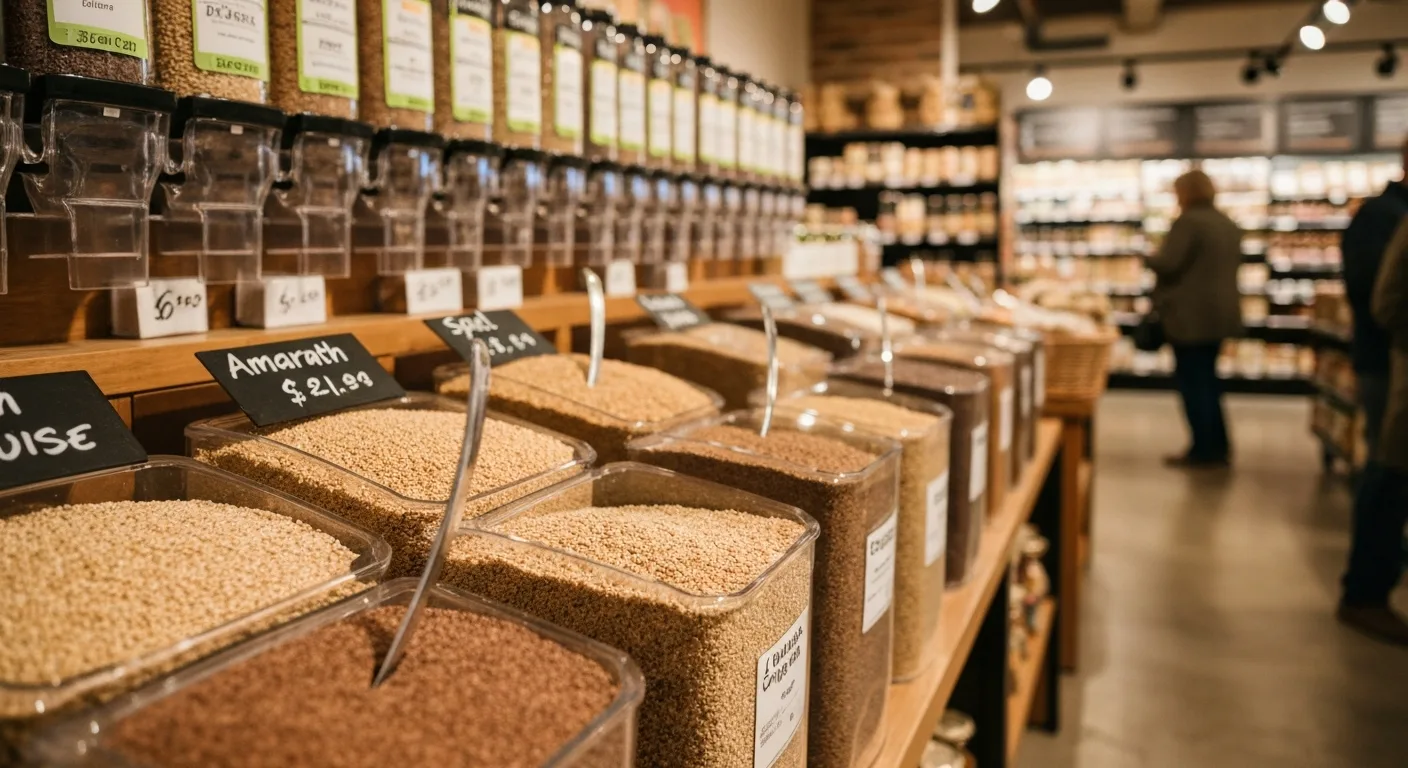
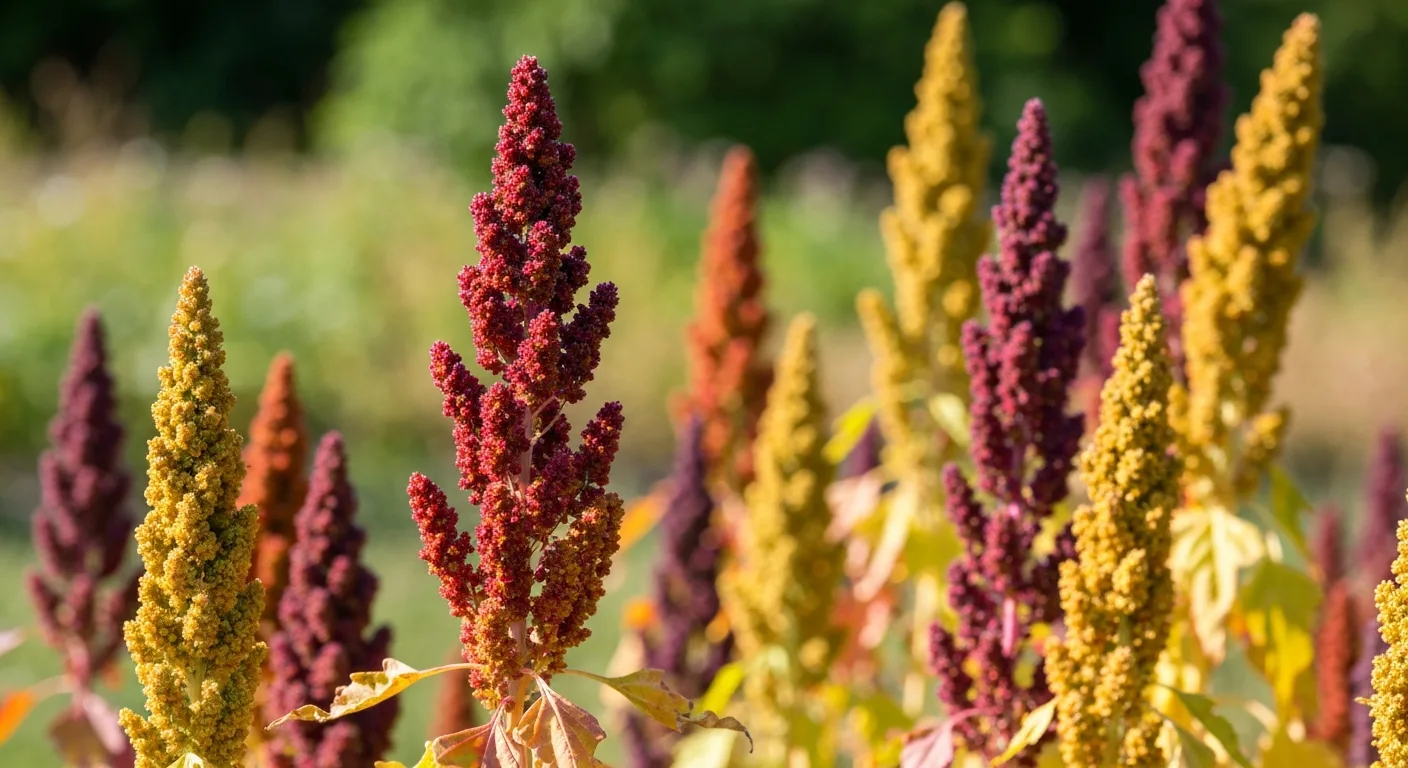
Finding ancient grains used to require a trip to a specialty health food store or an expensive online order. That has changed dramatically. Most major grocery chains now carry at least quinoa, farro, and bulgur, and the range of available grains - both in stores and online - has expanded every year.
Still, if you are looking for something beyond the basics - whole einkorn berries, Ethiopian teff, cracked freekeh, or hulled barley - you may need to know where to look. This guide covers every sourcing channel, from the supermarket down the street to online specialty retailers, along with advice on what to look for, how to store your grains, and how to save money buying in bulk.
For an overview of all the grains you might want to source, see our complete ancient grains list.
Mainstream Grocery Stores
The ancient grains selection at major grocery chains has improved considerably over the past decade. Here is what you can typically find and where to look.
What is usually available
Most large supermarkets carry:
- Quinoa (white, sometimes red and tri-color)
- Farro (usually semi-pearled, sometimes labeled simply “farro”)
- Bulgur (fine and medium)
- Pearled barley
- Steel-cut and rolled oats (if you count oats as ancient, which some definitions do)
- Buckwheat (sometimes as kasha in the kosher/international aisle)
Many stores now also carry:
- Freekeh (cracked, in bags or boxes)
- Millet (usually in the natural foods section)
- Amaranth (less common but increasingly available)
Where to find them in the store
Ancient grains are frustratingly scattered across multiple aisles in most grocery stores:
- Rice and grains aisle: Quinoa, farro, and bulgur are most often shelved here, near the rice
- Natural/organic section: Millet, amaranth, teff, and specialty quinoa varieties often end up here
- International aisle: Buckwheat (in the Eastern European section), bulgur (in the Middle Eastern section), and sometimes millet (in the Indian or African section)
- Bulk bins: If your store has a bulk section, check there - bulk bins often carry grains that are not stocked on regular shelves
- Baking aisle: Ancient grain flours (einkorn, spelt, teff) are sometimes shelved with specialty flours
If you cannot find a specific grain, ask a store employee or check the store’s website. Many chains will special-order products on request.
Store brand vs. name brand
Store brand ancient grains are generally identical in quality to name brand products and significantly cheaper. The grain inside a store-brand bag of quinoa comes from the same regions and often the same suppliers as the name-brand version. The main difference is packaging and marketing.
That said, for less common grains like einkorn or teff, name brands from companies that specialize in ancient grains (such as Bob’s Red Mill, Jovial, or Shiloh Farms) may offer better quality control and more reliable sourcing information.
Health Food and Natural Grocery Stores
Stores like Whole Foods Market, Sprouts Farmers Market, Natural Grocers, and independent health food co-ops typically carry a much broader range of ancient grains than conventional supermarkets.
What you will find
In addition to everything available at mainstream stores, health food stores commonly carry:
- Teff (whole grain and flour)
- Amaranth
- Einkorn (berries and flour, often from Jovial brand)
- Spelt (berries and flour)
- Kamut/Khorasan wheat (berries and flour)
- Sorghum (whole grain)
- Emmer/farro (whole, semi-pearled, and pearled)
- Whole freekeh
The bulk bin advantage
Many natural grocery stores have extensive bulk bin sections where you can buy ancient grains by weight. Buying from bulk bins offers several advantages:
- Lower price: Bulk grains typically cost 20 to 40 percent less than packaged equivalents because you are not paying for branding, packaging, or marketing.
- Buy only what you need: If you want to try a new grain, you can buy a cup or two rather than committing to a full bag.
- Freshness: Bins with high turnover often contain fresher grain than packages that may sit on shelves for months.
- Reduced waste: No packaging to dispose of.
The main disadvantage of bulk bins is that you lose sourcing information - you typically do not know the brand, origin, or certification status of bulk grains unless the store posts this information (some do). If organic certification or specific country of origin matters to you, packaged grain may be the better choice.
Prices at health food stores
Health food stores are generally more expensive than conventional supermarkets for the same products. However, their bulk bins often offer prices competitive with or lower than packaged grains at mainstream stores. The best strategy is to buy common grains (quinoa, farro) at your regular supermarket and source specialty grains (einkorn, teff, kamut) from health food stores.
Ethnic and International Markets
Some of the best deals and most interesting grain varieties are found in ethnic grocery stores. Because these grains are staple foods in their home cuisines rather than specialty health foods, they are often priced significantly lower.
Middle Eastern and Mediterranean markets: Excellent sources for bulgur (fine, medium, and coarse), freekeh, and sometimes whole emmer/farro. Look for large bags - 2 to 5 pounds - at prices well below what you would pay at a conventional grocery store. These stores also carry specialty products like freekeh that may be hard to find elsewhere.
Indian grocery stores: Good sources for millet (often labeled “ragi” for finger millet, “bajra” for pearl millet, or “jowar” for sorghum), amaranth (called “rajgira” or “ramdana”), and buckwheat. Indian stores often carry these grains in large, economical bags.
Ethiopian and Eritrean markets: The best source for teff, especially if you want the traditional Ethiopian brown teff rather than the lighter ivory variety more commonly found in Western stores. Ethiopian markets also carry teff flour and sometimes pre-made injera.
East Asian markets: Millet, buckwheat groats, and various forms of barley are commonly stocked. Korean and Japanese markets may carry specialty grains like Job’s tears (hato mugi) and pressed barley.
Latin American markets: Quinoa at competitive prices, particularly in areas with significant Peruvian or Bolivian communities. You may also find kiwicha (Andean amaranth) and cañihua (a relative of quinoa).
Online Retailers
Online purchasing is the most reliable way to find any specific ancient grain, including rare varieties that are not available locally.
General online retailers
Amazon carries a wide range of ancient grains from multiple brands. Selection is excellent, and Subscribe and Save discounts can reduce prices by 5 to 15 percent on regularly purchased grains. However, prices on Amazon are not always competitive, so compare before assuming it is the best deal.
Thrive Market, a membership-based online retailer focused on natural and organic products, offers ancient grains at prices typically 25 to 50 percent below retail. The annual membership fee ($60 as of this writing) pays for itself quickly if you buy grains and other pantry staples regularly.
Specialty grain retailers
Several companies specialize in ancient and heritage grains and sell directly to consumers online:
Bob’s Red Mill (bobsredmill.com) carries one of the broadest ranges of ancient grains in the United States, including teff, amaranth, millet, quinoa, farro, buckwheat, sorghum, kamut, and spelt - in both whole grain and flour form. Their website offers the full range, while retail stores may carry only a subset.
Jovial Foods (jovialfoods.com) specializes in einkorn - they are the largest single-origin einkorn producer selling in the United States. Their einkorn berries, flour, and pasta are excellent quality with full traceability to farms in Italy.
Anson Mills (ansonmills.com) focuses on heirloom and heritage grains with an emphasis on flavor and traditional processing. Their products are premium-priced but exceptional in quality. They carry varieties (like hand-milled farro piccolo) that are not available anywhere else.
Shiloh Farms (shilohfarms.com) offers a wide range of organic grains at competitive prices with frequent sales and promotions.
Palouse Brand (palousebrand.com) specializes in grains and legumes grown in the Palouse region of Washington and Idaho, with an emphasis on identity-preserved sourcing.
Bulk online suppliers
If you cook ancient grains regularly, buying in bulk online can produce significant savings:
- 5 to 25 pound bags from specialty retailers typically cost 30 to 50 percent less per pound than 1-pound retail packages
- Azure Standard (azurestandard.com) offers bulk organic grains with delivery through a cooperative buying club model
- Restaurant supply websites sometimes sell food-service sizes (25 to 50 pounds) to individual consumers
Farmers Markets and Local Farms
A growing number of small-scale farmers in North America and Europe are cultivating ancient grains, particularly einkorn, emmer, spelt, and in some regions, quinoa. Farmers markets provide a chance to buy locally grown grain, talk directly with the producer, and support small-scale agriculture.
What to expect at farmers markets:
- Availability is seasonal and limited. Grain is typically harvested in late summer and fall, so farmers market grain sales peak from September through December.
- Prices may be higher than retail because small-scale grain production is labor-intensive and yields are lower than industrial farming.
- Quality is often exceptional. Small-scale growers frequently use organic or biodynamic practices and process grain carefully.
- Flour may be stone-ground to order, which preserves volatile flavor compounds and nutrients lost in industrial milling.
For those interested in the ultimate local sourcing, our guide on growing quinoa at home covers the practicalities of home cultivation.
What to Look For When Buying
Whole vs. pearled vs. flour
- Whole grain berries (spelt berries, wheat berries, whole farro) have the bran and germ intact. They take longest to cook but are the most nutritious and flavorful form.
- Semi-pearled (common with farro and barley) has some bran removed. A practical compromise between nutrition and convenience.
- Pearled has all bran removed. Fastest to cook, mildest in flavor, lowest in fiber.
- Flour is ground grain. Best used soon after milling; whole grain flours can go rancid because the oils in the germ are exposed.
For cooking guidance on all forms, see our complete cooking guide.
Organic vs. conventional
Organic certification ensures the grain was grown without synthetic pesticides or fertilizers. Whether this matters to you depends on your priorities and budget. From a practical standpoint:
- Organic matters most for grains eaten whole (berries, quinoa) because the outer layers are consumed, which is where pesticide residues concentrate.
- For pearled grains (where the outer layers are removed), the difference is less significant.
- Many ancient grains require fewer pesticides than modern wheat simply because they are naturally more pest-resistant, so the practical gap between organic and conventional may be smaller than with other crops.
Pre-washed quinoa
Most quinoa sold in the United States and Europe is pre-washed to remove saponins. Check the label - if it says “pre-rinsed” or “pre-washed,” you can skip the rinsing step (though a quick rinse never hurts). Unwashed quinoa, which is more common in Latin American markets and some bulk bins, must be rinsed thoroughly before cooking to avoid bitterness.
Storage: Keeping Grains Fresh
Proper storage extends the shelf life of ancient grains significantly and protects your investment.
Whole grains (uncooked)
Store in airtight containers in a cool, dark, dry location. A pantry or cabinet away from the stove is ideal. Under these conditions:
- Most whole grains keep 6 to 12 months at room temperature
- In the freezer, whole grains keep 1 to 2 years
- Vacuum-sealed bags extend shelf life further
Flour
Ancient grain flours, particularly whole grain flours, are more perishable than whole grains because milling exposes the oils in the germ to oxygen.
- Whole grain flour keeps 1 to 3 months at room temperature
- Refrigerated, 6 months
- Frozen, up to 1 year
- White (refined) flours keep longer because the germ has been removed
Signs of spoilage
- Rancid smell: Whole grains should smell neutral or slightly nutty. A sour, musty, or paint-like smell indicates rancidity.
- Visible mold: Discard immediately.
- Insects: Weevils and grain moths can infest stored grain. Freezing grain for 48 hours after purchase kills any eggs and prevents infestation.
- Off taste: If cooked grain tastes bitter (beyond normal quinoa saponin bitterness), sour, or stale, the raw grain has likely gone bad.
Price Comparison and Cost-Saving Strategies
Ancient grains range widely in price. Here are approximate per-pound retail prices (as of 2026) for common ancient grains:
| Grain | Approximate Price per Pound |
|---|---|
| Bulgur | $1.50–$3.00 |
| Pearled barley | $1.50–$3.00 |
| Millet | $2.00–$4.00 |
| Quinoa (white) | $3.00–$5.00 |
| Buckwheat groats | $2.50–$4.50 |
| Farro (semi-pearled) | $3.00–$6.00 |
| Amaranth | $3.00–$5.00 |
| Sorghum | $2.50–$4.50 |
| Freekeh | $4.00–$7.00 |
| Teff | $4.00–$7.00 |
| Spelt berries | $3.00–$6.00 |
| Kamut berries | $4.00–$7.00 |
| Einkorn berries | $5.00–$9.00 |
Strategies to reduce costs
- Buy in bulk. Larger bags (5+ pounds) cost significantly less per pound than 1-pound packages.
- Use bulk bins. Health food store bulk bins typically offer 20 to 40 percent savings over packaged grain.
- Shop ethnic markets. Bulgur, millet, buckwheat, and teff are staple foods in other cuisines and priced accordingly at ethnic grocery stores.
- Subscribe and save. Online retailers like Amazon offer 5 to 15 percent discounts on recurring orders.
- Start with affordable grains. Bulgur, barley, and millet are the least expensive ancient grains and work in a wide range of recipes. You do not need to start with einkorn.
- Cook from dry. One cup of dry grain yields 2.5 to 3.5 cups cooked - ancient grains are more economical than they appear per-package because they expand significantly.
- Batch cook and freeze. Cooking a large batch once per week saves time and reduces the temptation to buy more expensive pre-cooked grain products.
Getting Started
If you are new to ancient grains, here is a practical entry strategy:
- Start with quinoa and farro. Both are widely available, forgiving to cook, and versatile enough for any meal. Your regular grocery store almost certainly carries them.
- Buy one new grain per month. Try millet, then freekeh, then teff. Over six months, you will have a diverse grain rotation.
- Check our cooking guide for water ratios and cooking times before you start.
- Explore ethnic markets once you know what you are looking for - the savings and variety are worth the trip.
Ancient grains are more accessible and affordable than most people assume. The main barrier is not price or availability - it is simply knowing where to look and what to do with them once you bring them home.
Last updated March 12, 2026