Ancient Grains Recipes: 15 Easy and Delicious Ideas
From quinoa bowls to farro risotto — 15 approachable recipes that showcase the versatility and flavor of ancient grains.
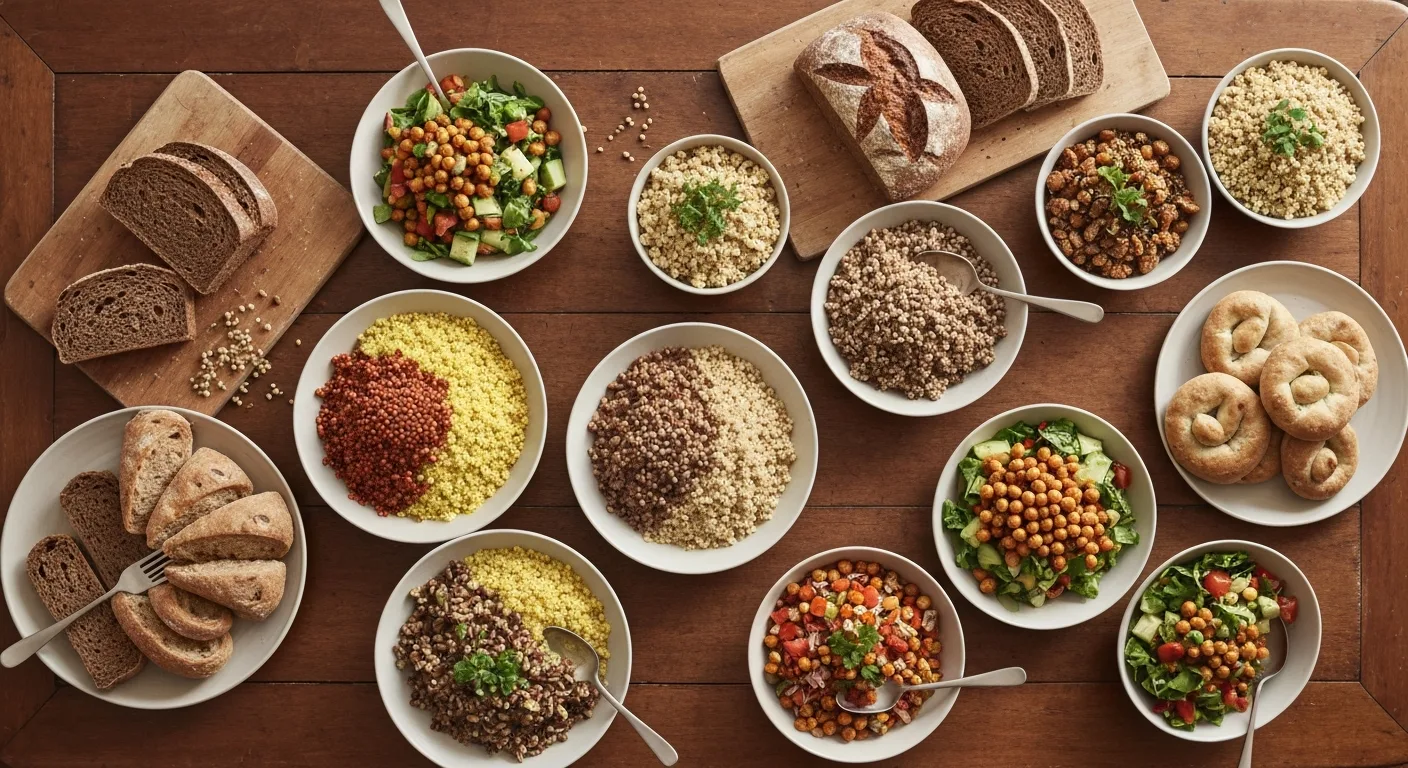
Ancient grains are not a trend. They are ingredients that have fed people for thousands of years, and they have stuck around because they taste good, cook easily, and work in an enormous range of dishes.
The recipes below are designed to be approachable. These are not elaborate, restaurant-style productions. They are the kind of meals you will actually make on a Tuesday night, pack for lunch on Wednesday, and crave again by Friday. Each one highlights a different grain and a different technique, so by the time you have worked through even a handful, you will have a genuine feel for how ancient grains behave in the kitchen.
If you need help with basic grain preparation, start with our complete cooking guide for water ratios and times. For grain-specific techniques, see our guides on cooking quinoa and cooking farro.
Breakfast
1. Savory Millet Porridge with Soft Eggs and Chili Crisp
The grain: Millet
Why it works: When cooked with extra water (1:3 ratio) and stirred frequently, millet breaks down into a creamy porridge that rivals polenta in richness but cooks in half the time. It has a mild, slightly sweet flavor that takes beautifully to savory toppings.
Key ingredients: Millet, water or broth, butter, soft-boiled eggs, chili crisp, scallions, soy sauce, sesame seeds.
The approach: Cook millet with a 1:3 ratio in salted water, stirring every few minutes until it reaches a thick porridge consistency (about 20 minutes). Serve in warm bowls topped with a halved 6-minute egg, a generous spoonful of chili crisp, sliced scallions, a drizzle of soy sauce, and a sprinkle of sesame seeds.
This is the breakfast that converts millet skeptics. The creamy base against the runny yolk and the crunch of the chili crisp is deeply satisfying.
2. Quinoa Breakfast Bowl with Coconut, Mango, and Lime
The grain: Quinoa (white or tri-color)
Why it works: Quinoa cooked in coconut milk becomes subtly sweet and creamy without feeling heavy. It is high in protein, so this breakfast keeps you full through the morning in a way that oatmeal sometimes does not.
Key ingredients: Quinoa, coconut milk, water, fresh mango, toasted coconut flakes, lime zest, honey or maple syrup, macadamia nuts.
The approach: Cook quinoa using a 1:1.5 ratio (half coconut milk, half water) with a pinch of salt and a cinnamon stick. When done, remove the cinnamon and fluff. Serve warm topped with cubed mango, toasted coconut, a squeeze of lime, a drizzle of honey, and chopped macadamia nuts.
3. Teff Porridge with Dates and Cardamom
The grain: Teff
Why it works: Teff is the world’s smallest grain and naturally cooks into a smooth, creamy porridge with a subtle molasses-like sweetness. It is the grain used to make Ethiopian injera, but as a breakfast porridge it works beautifully - rich in iron and calcium with a warm, complex flavor.
Key ingredients: Teff, water, milk (any kind), Medjool dates (chopped), cardamom, cinnamon, butter, walnuts.
The approach: Combine teff with water and milk (1:3 total liquid ratio) in a saucepan with a pinch of salt, ground cardamom, and cinnamon. Bring to a boil, reduce to low, and stir frequently for 15 to 20 minutes until thick and creamy. Stir in a pat of butter and chopped dates. Top with toasted walnuts.
Lunch Bowls
4. The Weeknight Grain Bowl Formula
The grain: Any — quinoa, farro, millet, sorghum, freekeh, or a mix
Why it works: The grain bowl is the workhorse of modern meal prep, and ancient grains are its backbone. Having a batch of cooked grain in the fridge means a nourishing lunch is always 5 minutes away.
Key ingredients: Cooked grain, roasted or raw vegetables, a protein (eggs, chickpeas, tofu, chicken, or tinned fish), a sauce or dressing, something crunchy, something pickled or acidic.
The formula:
- Base: 1 cup cooked grain
- Vegetables: 1 to 2 cups (roasted sweet potato, raw shredded cabbage, sliced cucumber, steamed broccoli — use what you have)
- Protein: Half a cup (a jammy egg, marinated chickpeas, baked tofu, shredded rotisserie chicken)
- Sauce: 2 to 3 tablespoons (tahini lemon dressing, peanut sauce, green goddess, miso vinaigrette)
- Crunch: Toasted seeds, nuts, crispy shallots, or crushed crackers
- Acid: Quick pickled onions, kimchi, sauerkraut, or a squeeze of citrus
This is not a single recipe but a system. Vary the components throughout the week and you will never eat the same bowl twice.
5. Farro and Roasted Beet Salad with Goat Cheese
The grain: Semi-pearled farro
Why it works: Farro’s chewy texture stands up to hearty roasted beets without getting lost, and its nutty flavor complements the sweetness of beets perfectly. This salad holds up for days in the fridge without wilting, making it ideal for meal prep.
Key ingredients: Farro, golden and red beets, goat cheese, arugula, walnuts, shallot vinaigrette, fresh dill.
The approach: Cook farro using the pasta method until al dente. Roast beets (400 degrees Fahrenheit, 45 minutes, wrapped in foil), peel, and cut into wedges. Toss warm farro with the beets, a shallot-red wine vinaigrette, and peppery arugula. Top with crumbled goat cheese, toasted walnuts, and fresh dill.
6. Freekeh Tabbouleh
The grain: Cracked freekeh
Why it works: Traditional tabbouleh uses bulgur, but freekeh brings a deeper, smokier flavor to this classic Levantine salad. Cracked freekeh has a similar size and texture to bulgur but with a more complex, roasted flavor.
Key ingredients: Cracked freekeh, flat-leaf parsley (a lot of it), fresh mint, tomatoes, cucumber, lemon juice, olive oil, allspice.
The approach: Cook cracked freekeh (15 minutes) and let cool. Remember that tabbouleh is an herb salad with some grain, not a grain salad with some herbs — use at least 2 cups of finely chopped parsley and half a cup of mint per cup of cooked freekeh. Dice tomatoes and cucumber, dress generously with lemon juice and olive oil, add a pinch of allspice, and season aggressively with salt.
Dinner
7. Mushroom Farrotto
The grain: Semi-pearled farro
Why it works: Farrotto uses risotto technique but with farro instead of arborio rice. The result is creamier than you would expect from a whole grain, with farro’s signature chew providing a textural contrast that risotto cannot match. Mixed mushrooms add earthy depth.
Key ingredients: Farro, mixed mushrooms (cremini, shiitake, oyster), shallots, white wine, warm vegetable or mushroom broth, butter, Parmesan, thyme, garlic.
The approach: Sauté sliced mushrooms in butter until golden. Set aside. In the same pot, cook diced shallots, add farro, toast 2 minutes, deglaze with white wine. Add warm broth one ladle at a time, stirring frequently, for 25 minutes until the farro is tender and the liquid is creamy. Fold in the mushrooms, a generous knob of butter, grated Parmesan, and fresh thyme. Full technique details are in our farro cooking guide.
8. Quinoa-Stuffed Bell Peppers
The grain: Quinoa (any color)
Why it works: Quinoa’s light texture and complete protein profile make it an excellent filling for stuffed peppers, especially for vegetarian meals. It absorbs the flavors of the filling ingredients beautifully and cooks in the oven without becoming mushy.
Key ingredients: Bell peppers (any color), cooked quinoa, black beans, corn, diced tomatoes, cumin, chili powder, shredded cheese, cilantro, lime.
The approach: Cut peppers in half and remove seeds. Mix cooked quinoa with drained black beans, corn, diced tomatoes, cumin, chili powder, and half the cheese. Stuff the pepper halves, top with remaining cheese, and bake at 375 degrees Fahrenheit for 25 to 30 minutes until peppers are tender and cheese is bubbly. Finish with fresh cilantro and a squeeze of lime.
9. Sorghum and Black Bean Tacos
The grain: Sorghum
Why it works: Cooked sorghum has a round, popcorn-like shape and a mild, neutral flavor that takes on seasoning aggressively. When sautéed with taco spices, it develops a texture reminiscent of ground meat — chewy, slightly firm, and deeply seasoned. It is one of the best plant-based taco fillings.
Key ingredients: Sorghum, black beans, cumin, smoked paprika, chili powder, garlic, onion, corn tortillas, avocado, pickled red onion, cotija cheese, cilantro, lime.
The approach: Cook sorghum until tender (45 to 60 minutes). In a skillet, sauté diced onion and garlic, add the cooked sorghum and drained black beans, and season generously with cumin, smoked paprika, and chili powder. Cook, stirring occasionally, until heated through and slightly crispy at the edges. Serve in warm corn tortillas with sliced avocado, pickled red onions, crumbled cotija, cilantro, and lime wedges.
10. One-Pot Chicken and Farro with Lemon and Herbs
The grain: Semi-pearled farro
Why it works: This is the ancient grain equivalent of chicken and rice — comforting, simple, and made in a single pot. The farro absorbs the chicken drippings and lemon-herb broth as it cooks, becoming incredibly flavorful.
Key ingredients: Bone-in chicken thighs, semi-pearled farro, chicken broth, lemon (juice and zest), garlic, white wine, Castelvetrano olives, fresh oregano and parsley.
The approach: Season and sear chicken thighs skin-side down until golden. Remove. In the same pot, sauté garlic, add farro, pour in white wine and broth, and add lemon zest. Nestle the chicken thighs on top, skin side up. Cover and bake at 375 degrees for 30 minutes until farro is tender and chicken is cooked through. Finish with lemon juice, olives, and a shower of fresh herbs.
Sides
11. Herbed Millet Pilaf
The grain: Millet
Why it works: Millet, when toasted first and cooked with a 1:2 water ratio, produces light, fluffy, separated grains that behave like couscous. It cooks in 15 minutes and has a mild sweetness that pairs with virtually anything. It is one of the most underappreciated grains.
Key ingredients: Millet, butter or olive oil, shallot, garlic, vegetable or chicken broth, lemon zest, parsley, dill, chives, toasted almonds.
The approach: Toast millet in butter with minced shallot and garlic for 2 to 3 minutes until fragrant. Add broth and lemon zest, bring to a boil, reduce to low, cover, and cook 15 minutes. Rest 5 minutes, then fluff with a fork. Fold in generous handfuls of chopped fresh herbs and toasted slivered almonds.
12. Amaranth Polenta
The grain: Amaranth
Why it works: Amaranth naturally cooks into a thick, creamy porridge that is remarkably similar to polenta — but with significantly more protein and nutrients. It has a slightly peppery, grassy flavor that works beautifully with Parmesan, butter, and roasted garlic.
Key ingredients: Amaranth, water or broth, roasted garlic, butter, Parmesan, salt, pepper, olive oil.
The approach: Bring 2.5 cups broth to a boil. Whisk in 1 cup amaranth and reduce to low. Cook 20 to 25 minutes, stirring occasionally to prevent sticking (amaranth likes to stick to the bottom). When thick and creamy, stir in mashed roasted garlic cloves, butter, and grated Parmesan. Season well. Serve immediately as a side dish, or spread on a sheet pan, cool, cut into squares, and pan-fry until crispy.
13. Warm Spelt Berry Salad with Apple and Cheddar
The grain: Spelt berries
Why it works: Spelt berries have a wonderful chewy texture and a slightly sweet, wheaty flavor. When served warm with crisp apple and sharp cheddar, the combination covers every base - chewy, crunchy, sweet, sharp, and savory. This is a fall side dish that steals the show.
Key ingredients: Spelt berries, Honeycrisp or Granny Smith apple, sharp white cheddar, toasted pecans, dried cranberries, cider vinaigrette (apple cider vinegar, Dijon mustard, olive oil, maple syrup), celery, fresh sage.
The approach: Cook spelt berries (soak overnight, then boil 40 minutes or until chewy-tender). While warm, toss with a cider vinaigrette. Add diced apple, cubed cheddar, sliced celery, toasted pecans, dried cranberries, and slivered fresh sage. Serve warm or at room temperature.
Baking
14. Einkorn Banana Bread
The grain: Einkorn flour
Why it works: Einkorn is the oldest known form of cultivated wheat, and its flour produces baked goods with a distinctly rich, buttery flavor that modern wheat cannot replicate. The gluten structure is different — softer, more delicate — which gives quick breads and muffins a tender crumb. Banana bread made with einkorn flour tastes like a significantly more flavorful version of the classic.
Key ingredients: Einkorn all-purpose flour, ripe bananas, butter, eggs, brown sugar, vanilla, cinnamon, salt, baking soda, walnuts.
The approach: This follows standard banana bread procedure, with one critical adjustment — einkorn flour absorbs less liquid than modern wheat flour, so use about 10 percent less flour than your usual recipe calls for (or add a splash more liquid). The batter will seem slightly wetter than normal; this is correct. Bake at 350 degrees for 50 to 55 minutes.
15. Ancient Grain Flatbread (No Yeast)
The grain: A blend — spelt flour + einkorn flour
Why it works: Ancient wheat varieties produce flatbreads with more complex flavor than modern all-purpose flour. This no-yeast flatbread comes together in 20 minutes total and is infinitely better than store-bought. Serve alongside soups, grain bowls, or dips.
Key ingredients: Spelt flour, einkorn flour (or use all spelt), yogurt (or kefir), olive oil, salt, baking powder, garlic powder (optional), fresh herbs (optional).
The approach: Mix flours with salt and baking powder. Add yogurt and a drizzle of olive oil, and stir until a shaggy dough forms. Knead briefly (30 seconds), divide into 6 balls, and roll each one thin. Cook in a ripping hot cast iron skillet with a slick of oil, about 90 seconds per side until puffed and charred in spots. Brush with garlic butter if desired.
Building Your Ancient Grains Repertoire
You do not need to make all 15 of these recipes. Start with the grain bowl formula (recipe 4) — it is the single most useful thing you can learn because it turns any cooked grain into a complete meal. From there, try one breakfast option and one dinner recipe.
The common thread across all of these dishes is that ancient grains bring textures and flavors that modern refined grains simply cannot deliver. The chew of farro, the creaminess of millet, the pop of sorghum, the nuttiness of einkorn — these are qualities worth exploring.
For more detail on cooking any of the grains mentioned here, our complete cooking guide has the master reference table with water ratios and times for every grain. And to learn about the individual grains themselves — their history, nutrition, and distinctive qualities — browse our ancient grains list.
Last updated March 12, 2026
Related reading
How to Cook Quinoa: Perfect Results Every Time
The definitive guide to cooking quinoa — rinsing, water ratios, stovetop, rice cooker, and Instant Pot methods plus flavor variations.
Gluten-Free Ancient Grains: The Complete Guide
A comprehensive guide to naturally gluten-free ancient grains — quinoa, amaranth, teff, millet, sorghum, buckwheat, and more.
How to Cook Farro: Whole, Semi-Pearled, and Pearled
Learn how to cook all three types of farro to perfect chewy tenderness — plus soaking tips, flavor ideas, and the best uses for each variety.
Is Quinoa Gluten-Free? A Complete Guide for Celiac & Gluten Sensitivity
Yes — quinoa is naturally gluten-free. Here's why, how to avoid cross-contamination, whether it's safe for celiac disease, and the rare reason some people react to it.