Ancient Grains and Celiac Disease: What's Safe and What to Avoid
A celiac-focused guide to ancient grains — which are safe, which contain gluten, and how to avoid cross-contamination.
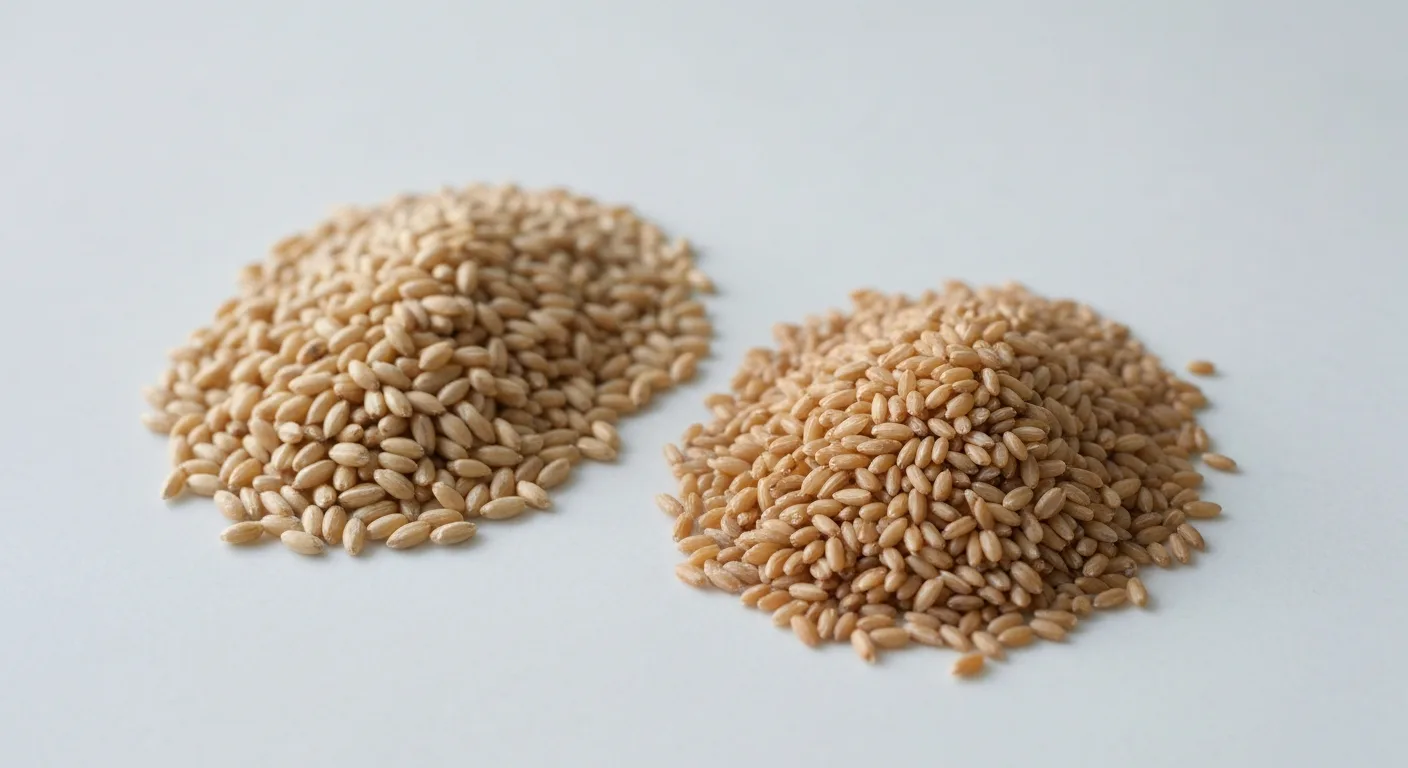
Celiac disease affects approximately 1% of the global population - roughly 80 million people - and requires lifelong, strict avoidance of gluten. For celiac patients, even trace amounts of gluten (as little as 10-50 mg per day, the equivalent of a few breadcrumbs) can trigger intestinal damage, inflammation, and symptoms ranging from digestive distress to neurological complications and nutrient malabsorption.
The growing popularity of ancient grains creates both opportunity and risk for celiac patients. Several ancient grains are naturally gluten-free and nutritionally superior to the refined rice and corn products that dominate conventional gluten-free diets. But other ancient grains - including some aggressively marketed as “better tolerated” or “low-gluten” - are definitively unsafe for celiac disease.
This guide provides unambiguous safety classifications, addresses the most dangerous myths, and offers practical guidance for safely incorporating ancient grains into a celiac-safe diet. For broader dietary guidance, see our special diets guide. For a detailed look at each gluten-free grain, visit our gluten-free ancient grains guide.
The Clear Safety Classification
There is no ambiguity here. Ancient grains fall into two categories for celiac disease, and the line between them is absolute.
SAFE (Naturally Gluten-Free)
These grains do not contain gluten and are inherently safe for celiac disease - provided they are not contaminated with gluten from other sources:
| Grain | Botanical Family | Notes |
|---|---|---|
| Quinoa | Amaranthaceae | Pseudocereal; complete protein |
| Amaranth | Amaranthaceae | Pseudocereal; highest lysine of any grain |
| Teff | Poaceae (Eragrostideae) | True cereal but gluten-free; Ethiopian staple |
| Millet | Poaceae (various genera) | True cereal; multiple species |
| Sorghum | Poaceae (Andropogoneae) | True cereal; 5th most produced grain globally |
| Buckwheat | Polygonaceae | Not a cereal; related to rhubarb |
UNSAFE (Contains Gluten)
These grains contain prolamin proteins (gliadins, secalins, or hordeins) that trigger the celiac autoimmune response. They must be completely avoided:
| Grain | Species | Gluten Type | Why It Is Unsafe |
|---|---|---|---|
| Spelt | Triticum spelta | Gliadin (wheat gluten) | Hexaploid wheat; contains all immunogenic peptide sequences |
| Einkorn | Triticum monococcum | Gliadin (wheat gluten) | Diploid wheat; fewer gluten genes but still immunogenic |
| Emmer/Farro | Triticum dicoccum | Gliadin (wheat gluten) | Tetraploid wheat; contains immunogenic alpha-gliadins |
| Kamut (Khorasan) | Triticum turgidum ssp. turanicum | Gliadin (wheat gluten) | Tetraploid wheat; full complement of toxic peptides |
| Freekeh | Triticum durum | Gliadin (wheat gluten) | Durum wheat harvested young; still contains gluten |
| Barley | Hordeum vulgare | Hordein | Contains immunogenic prolamin distinct from but related to wheat gliadin |
Dangerous Myths About Ancient Wheat and Celiac Disease
Several persistent myths put celiac patients at risk. Each needs to be addressed directly.
Myth 1: “Einkorn Is Safe for Celiac Because It Has Less Gluten”
The claim: Einkorn is a diploid wheat (two sets of chromosomes) rather than the hexaploid modern bread wheat (six sets), so it has fewer gluten-encoding genes and produces “less gluten” or “different gluten” that does not trigger celiac reactions.
The reality: Einkorn does have a different gluten protein profile than modern bread wheat. It contains only A-genome gliadins rather than the A, B, and D genome gliadins found in hexaploid wheat. Some in vitro studies have found that certain einkorn gliadin peptides produce weaker T-cell responses in celiac tissue samples.
Why it is still unsafe: “Weaker” does not mean “absent.” Einkorn gliadin still contains immunogenic peptide sequences - particularly the alpha-gliadin 33-mer epitope - that trigger the celiac autoimmune cascade. Clinical challenge studies (where celiac patients consume einkorn under medical supervision) have demonstrated intestinal mucosal damage. The Celiac Disease Foundation, the Canadian Celiac Association, Coeliac UK, and every major celiac medical organization worldwide classify einkorn as unsafe for celiac disease.
The danger of this myth is that “less immunogenic” gets distorted through marketing and social media into “safe” - a potentially harmful leap in logic.
Myth 2: “Spelt Is an Ancient Grain, Not Wheat, So It’s Gluten-Free”
The claim: Spelt is sometimes presented as a separate grain from wheat, leading consumers to believe it might be gluten-free.
The reality: Spelt (Triticum spelta) is literally wheat. It is a hexaploid wheat species with the same ploidy level and very similar genome structure as modern bread wheat (Triticum aestivum). Spelt contains gluten at levels comparable to modern wheat - typically 9-12% gluten by weight in the flour. It is absolutely, unequivocally unsafe for celiac disease.
Some gluten-sensitive (non-celiac) individuals report tolerating spelt better than modern wheat, which may be related to differences in fructan content or other non-gluten components. But this has no relevance to celiac disease, where the immune response to gluten proteins is the problem.
Myth 3: “Ancient Grains Have ‘Old Gluten’ That the Body Can Handle”
The claim: Modern wheat has been “bred to have more gluten” or “different gluten” that the body was not designed to handle, while ancient wheat gluten is “natural” and “digestible.”
The reality: This narrative contains a kernel of truth embedded in a dangerous conclusion. Modern bread wheat has indeed been selected for higher gluten content and specific gluten quality (strong, elastic gluten that produces good bread volume). The gluten proteins in ancient wheats do differ structurally from those in modern bread wheat.
However, celiac disease is an autoimmune condition triggered by specific peptide sequences within gluten proteins, and those sequences are present in all wheat species - ancient and modern - as well as in barley and rye. The immune system of a celiac patient does not distinguish between “ancient” and “modern” gluten. Both trigger villous atrophy, inflammation, and the cascade of symptoms and complications that define celiac disease.
Myth 4: “Sourdough Fermentation Makes Wheat Safe for Celiac”
The claim: Long sourdough fermentation breaks down gluten to the point that it is safe for celiac patients. Some researchers have demonstrated that specific lactobacillus strains can hydrolyze gluten below 20 ppm in laboratory conditions.
The reality: While it is true that certain engineered fermentation protocols using specific bacterial cocktails can reduce gluten below detection thresholds in controlled laboratory settings, this has not been translated into commercially available products that are reliably safe for celiac patients. Standard sourdough fermentation - even 24-48 hour fermentation - reduces gluten but does not reliably eliminate it to below 20 ppm.
No major celiac organization endorses sourdough wheat products as safe for celiac disease. The variability between sourdough processes (starter cultures, fermentation time, temperature, flour type) makes it impossible to guarantee safety without batch-by-batch laboratory testing.
Myth 5: “If I Don’t Have Symptoms, It’s Not Causing Damage”
The claim: Some celiac patients report no symptoms after eating ancient wheat and conclude it is safe for them.
The reality: Celiac disease causes intestinal damage even in the absence of noticeable symptoms. This is well-documented - “silent celiac disease” involves ongoing villous atrophy and inflammation without obvious gastrointestinal symptoms. The only reliable way to assess intestinal damage is through blood antibody testing (tTG-IgA) or intestinal biopsy. Subjective symptom assessment is not a valid safety test.
Ongoing gluten exposure in celiac disease, even without symptoms, increases long-term risks including osteoporosis, infertility, lymphoma, and other cancers.
Cross-Contamination: The Invisible Threat
For naturally gluten-free grains, the primary risk is not the grain itself but gluten contamination from external sources. This is a real and measurable problem.
Contamination Prevalence Data
Multiple surveys have tested commercially available “gluten-free” grains (not certified, just naturally GF) for gluten contamination:
- A 2010 study tested 22 naturally GF grain products purchased from retail stores. Seven (32%) contained gluten above 20 ppm, the FDA threshold for “gluten-free” labeling.
- A Canadian survey of oat products found 88% of commercially available oats contained measurable gluten contamination.
- Buckwheat products showed contamination rates of 20-40% in some surveys, often from shared milling equipment.
These findings underscore why certification matters.
Sources of Contamination
Field-level: Crop rotation with wheat, volunteer wheat plants in fields, shared harvesting equipment.
Storage and transport: Shared grain elevators, trucks, rail cars, and storage silos.
Processing: Shared milling equipment, packaging lines, and facility air handling systems.
Food service: Shared cooking water, fryers, cutting boards, colanders, and toasters. A restaurant may cook quinoa in water previously used for pasta.
Home kitchen: Shared toasters, cutting boards, condiment jars (knife double-dipping), and cooking surfaces.
Mitigation Strategies
-
Always buy certified gluten-free grains. Look for GFCO (Gluten-Free Certification Organization, < 10 ppm), CSA (Canadian Celiac Association), or equivalent third-party certifications. These programs require testing, facility audits, and documented quality controls.
-
Read labels beyond the front. “Made in a facility that also processes wheat” is a legally required disclosure that indicates contamination risk. “Gluten-free” on the label without third-party certification is self-reported by the manufacturer and may not involve testing.
-
Test at home if concerned. Home gluten test kits (Nima sensor, EZ Gluten, GlutenTox) can detect gluten above 10-20 ppm. These are useful for spot-checking new products, though they should not replace certified sourcing.
-
Maintain a dedicated GF kitchen zone. If sharing a kitchen with gluten-eating household members, designate separate toasters, colanders, cutting boards, and storage containers. Wooden utensils and non-stick cookware can harbor gluten residue.
-
Communicate clearly at restaurants. Saying “I have celiac disease” conveys medical seriousness that “I’m gluten-free” may not. Ask about dedicated fryers, cooking water, and preparation surfaces. Many restaurants now have celiac-specific protocols.
Building a Nutritionally Complete Celiac Diet with Ancient Grains
One of the most underappreciated consequences of celiac disease is nutritional deficiency. The conventional gluten-free diet - heavy on refined rice flour, corn starch, potato starch, and tapioca - can be low in fiber, iron, B vitamins, and other nutrients that whole wheat would normally provide. Ancient grains solve this problem.
Replacing Wheat’s Nutritional Contributions
| Nutrient Lost from Wheat | Best Ancient Grain Replacements |
|---|---|
| Protein (13 g/100g) | Teff (13.3), amaranth (13.6), quinoa (14.1) |
| Fiber (10.7 g/100g) | Buckwheat (10.0), teff (8.0), millet (8.5) |
| Iron (3.5 mg/100g) | Teff (7.6), amaranth (7.6), quinoa (4.6) |
| Magnesium (137 mg/100g) | Amaranth (248), buckwheat (231), quinoa (197) |
| Zinc (2.6 mg/100g) | Teff (3.6), quinoa (3.1), amaranth (2.9) |
| Folate (38 mcg/100g) | Quinoa (184), amaranth (82) |
| B vitamins (various) | Teff (niacin), quinoa (folate, B6), buckwheat (niacin) |
By rotating through these ancient grains, celiac patients can match or exceed the micronutrient intake that wheat provides in non-celiac diets - often with superior results, particularly for iron (teff and amaranth provide 2x the iron of wheat) and folate (quinoa provides 5x the folate of wheat).
For full nutritional data, see our ancient grains nutrition guide.
Sample Celiac-Safe Ancient Grains Meal Plan
Monday:
- Breakfast: Teff porridge with cinnamon, walnuts, and banana
- Lunch: Quinoa and roasted vegetable bowl with tahini dressing
- Dinner: Sorghum grain bowl with grilled chicken, black beans, and avocado
Tuesday:
- Breakfast: Buckwheat pancakes with berries
- Lunch: Millet tabbouleh with cucumbers, tomatoes, herbs, and lemon
- Dinner: Amaranth-crusted fish with roasted sweet potatoes
Wednesday:
- Breakfast: Amaranth porridge with coconut milk, mango, and cardamom
- Lunch: Sorghum salad with chickpeas, roasted peppers, and feta
- Dinner: Teff injera with Ethiopian lentil stew (misir wot)
This rotation provides all essential amino acids (quinoa and amaranth deliver complete protein), exceptional mineral density, diverse fiber types, and a range of phytochemicals - while maintaining strict celiac safety throughout.
Supplementation Considerations
Even with an excellent ancient-grain-based diet, celiac patients should discuss the following with their healthcare provider:
- Vitamin D - malabsorption is common at diagnosis and may persist
- Calcium - especially if lactose intolerance coexists (common in celiac)
- Iron - monitor levels; malabsorption may persist during early mucosal healing
- B12 - can be malabsorbed; test levels annually
- Folate - quinoa helps, but supplementation may be needed if deficient at diagnosis
Oats: The Controversial Grain
Oats deserve special mention because their celiac safety is debated within the medical community.
The science: Pure, uncontaminated oats do not contain wheat, barley, or rye gluten. Oats contain avenin, a prolamin protein that is structurally distinct from wheat gliadin. The majority of celiac patients (estimated 95%+) do not react to avenin and can safely consume pure oats.
The complication: A small subset of celiac patients (estimated 1-5%) do mount an immune response to avenin. There is currently no clinical test to identify these individuals short of monitored dietary challenge with follow-up biopsy.
The contamination problem: Most commercial oats are heavily contaminated with wheat, barley, and rye from shared fields and processing facilities. Only purity-protocol oats (grown in dedicated fields, processed on dedicated lines, and tested for contamination) are appropriate for celiac patients.
Medical consensus: Most celiac organizations (including the Celiac Disease Foundation, Coeliac UK, and CCA) state that pure, uncontaminated oats can be consumed by most celiac patients, typically recommended at up to 50-70 g dry weight per day after initial mucosal healing is achieved. However, some organizations (notably the Australian Coeliac Society) continue to recommend oat avoidance due to the inability to identify avenin-sensitive individuals.
Practical recommendation: Discuss oat introduction with your gastroenterologist. If you proceed, use only purity-protocol certified GF oats, introduce gradually, and monitor symptoms and antibody levels.
Label Reading for Celiac Patients
Understanding food labels is critical for celiac safety with grain products.
What “Gluten-Free” Means Legally
In the United States (FDA regulation), “gluten-free” means the product contains less than 20 ppm of gluten. This applies whether the label says “gluten-free,” “no gluten,” “free of gluten,” or “without gluten.”
In the European Union, “gluten-free” means less than 20 ppm. “Very low gluten” means less than 100 ppm (this category does not exist in the US).
In Canada, “gluten-free” means the product does not contain wheat, barley, rye, oats, or their crossbred hybrids, or any products made from these grains.
Red Flags on Labels
- “Contains wheat” in the allergen statement - avoid regardless of other claims
- “May contain wheat” or “processed in a facility that also processes wheat” - risk varies but avoid if strictly necessary
- “Wheat-free” without “gluten-free” - may still contain barley or rye gluten
- “Spelt flour” or “kamut flour” listed as ingredients - these ARE wheat and contain gluten, even though they may appear in health food stores alongside GF products
- “Ancient grain blend” - could contain any combination; always check the specific grains listed
Safe Indicators
- Third-party GF certification logo (GFCO, CSA, NSF)
- “Certified gluten-free” (implies third-party verification)
- Specific grain named (e.g., “100% teff flour”) from a manufacturer with documented GF protocols
When to Consult Your Healthcare Provider
Always consult your gastroenterologist or celiac-specialized dietitian before:
- Introducing a new grain you have not consumed before
- Trying oats for the first time after celiac diagnosis
- Experiencing symptoms after consuming a certified GF grain product (this may indicate a separate food sensitivity or another condition)
- Planning significant dietary changes
Celiac disease management is a medical matter, and while dietary guidance from reliable sources is valuable, it does not replace individualized medical advice.
The Bottom Line
Ancient grains are a genuine upgrade for celiac patients who want to move beyond the nutritionally limited refined GF products that dominate the market. Quinoa, amaranth, teff, millet, sorghum, and buckwheat collectively provide superior nutrition to modern wheat across most metrics - more iron, more magnesium, more diverse amino acids, and more phytochemical variety.
The non-negotiable requirements are: absolute avoidance of all wheat species (including spelt, einkorn, emmer, kamut, and freekeh) and barley; certified gluten-free sourcing for all grain purchases; and awareness of cross-contamination risks in processing, food service, and home kitchens.
For detailed profiles of each safe grain, visit our gluten-free ancient grains guide. For broader dietary compatibility information, see our special diets guide. For complete nutritional data, explore our ancient grains nutrition guide.
Last updated March 12, 2026