Is Quinoa Gluten-Free? A Complete Guide for Celiac & Gluten Sensitivity
Yes — quinoa is naturally gluten-free. Here's why, how to avoid cross-contamination, whether it's safe for celiac disease, and the rare reason some people react to it.
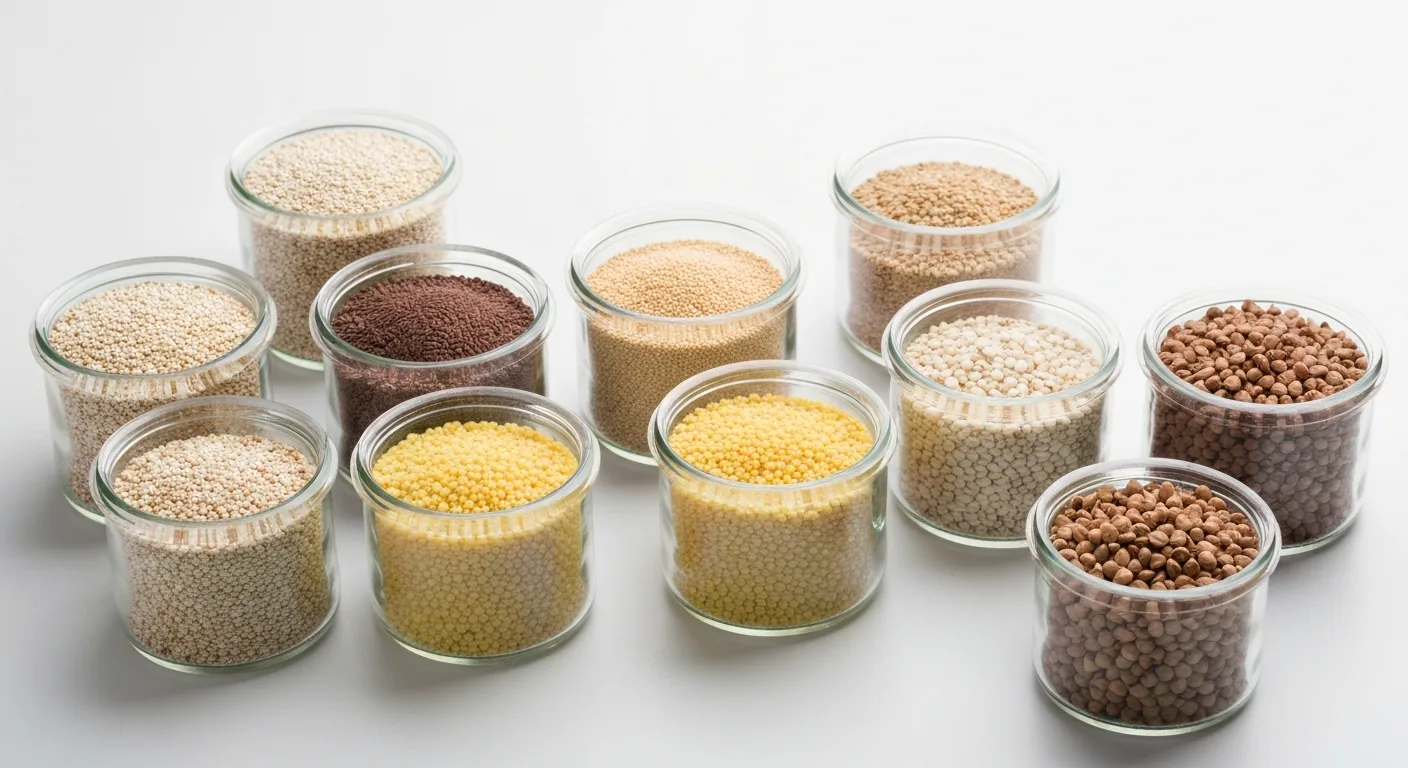
Yes, quinoa is naturally gluten-free. Quinoa is not a grain in the botanical sense and contains no gluten of any kind, which makes it safe for people with celiac disease and non-celiac gluten sensitivity — with one important caveat: cross-contamination during growing, processing, and packaging can introduce gluten into quinoa that started out completely gluten-free.
This guide explains exactly why quinoa contains no gluten, when it is and isn’t safe for celiac disease, how to source it safely, and why a small number of people react to quinoa even though it’s gluten-free.
Why Quinoa Contains No Gluten
Gluten is a group of storage proteins (primarily gliadin and glutenin) found in wheat, barley, rye, and their relatives — all members of the grass family, Poaceae.
Quinoa (Chenopodium quinoa) is not a grass. It belongs to the Amaranthaceae family, making it a close relative of spinach, beets, chard, and amaranth. Because it sits on an entirely different branch of the plant kingdom, quinoa does not produce the gluten proteins that wheat and other cereal grasses do.
Botanists call quinoa a pseudocereal — a plant whose seeds are used like grains but which is not a true cereal grass. Every naturally gluten-free “ancient grain” that is genuinely safe for celiacs — quinoa, amaranth, and buckwheat — is a pseudocereal for exactly this reason. (True grasses like teff, millet, and sorghum are also gluten-free, but as members of Poaceae they carry a higher cross-contamination risk.)
Is Quinoa Safe for Celiac Disease?
For most people with celiac disease, certified gluten-free quinoa is safe and even beneficial. It provides complete protein — all nine essential amino acids — which is valuable because gluten-free diets often become protein-poor once wheat-based breads, pastas, and cereals are removed. For the full medical picture, see our ancient grains and celiac disease guide.
There are two things celiacs should understand before treating quinoa as a staple:
1. Cross-contamination is the real risk, not the quinoa itself
The quinoa seed is gluten-free. The supply chain often is not. Contamination happens at three points:
- In the field: Quinoa is frequently grown in rotation with wheat and barley. Volunteer wheat plants and shared harvesting equipment can introduce gluten grains into the harvest.
- In processing: Mills that handle both wheat and quinoa on shared equipment can transfer gluten.
- At retail: Bulk bins are a high-risk source — shared scoops and airborne grain dust move gluten between adjacent bins.
Testing of uncertified samples has repeatedly found gluten levels above the 20 ppm threshold considered safe for celiac disease. The single most reliable protection is buying quinoa that is certified gluten-free (look for GFCO, CSA, or NSF certification on the package).
2. A very small number of celiacs react to quinoa itself
A frequently cited 2012 study in the American Journal of Clinical Nutrition tested 15 quinoa varieties and found that a few contained prolamins (the protein class gluten belongs to) capable of triggering an immune response in a subset of celiac patients — though at levels far below wheat, and only for certain cultivars. For the overwhelming majority of celiacs, quinoa is well tolerated. If you have celiac disease and notice symptoms after eating certified quinoa, mention it to your gastroenterologist rather than assuming all gluten-free foods will behave identically.
Does Cooking or Rinsing Remove Gluten?
No. Gluten is not affected by rinsing, soaking, or cooking. Rinsing quinoa is worthwhile, but for a different reason: it removes saponins, a naturally bitter, soapy-tasting coating on the seed. Saponins have nothing to do with gluten. If your quinoa is certified gluten-free, rinsing improves the flavor; it does not change its gluten status either way. See our how to cook quinoa guide for the correct rinsing and water-ratio method.
Why Do Some People React to Quinoa If It’s Gluten-Free?
If quinoa is gluten-free but you still feel unwell after eating it, gluten is usually not the cause. The common explanations are:
- Saponins: The bitter outer coating can irritate the gut in sensitive individuals. Thorough rinsing (or buying pre-rinsed quinoa) resolves this for most people.
- FODMAPs: Quinoa contains moderate amounts of fermentable carbohydrates that can cause bloating in people with IBS, especially in large portions.
- Cross-contamination: If the quinoa wasn’t certified, you may in fact be reacting to trace gluten — which points back to sourcing, not the quinoa.
- A separate quinoa sensitivity: Rare, but as noted above, a small number of people react to quinoa’s own prolamins.
How to Buy and Store Gluten-Free Quinoa Safely
- Choose certified gluten-free packages. Third-party certification (GFCO at under 10 ppm, CSA, or NSF) requires testing and facility audits — far more reliable than an uncertified “naturally gluten-free” claim.
- Skip the bulk bins if you have celiac disease. Cross-contamination there is difficult to control.
- Store it sealed and separate. Keep quinoa in an airtight container away from any wheat flour in your pantry to avoid contamination at home.
- Watch prepared and flavored products. Quinoa salads, veggie burgers, and flavored quinoa blends may add wheat-based ingredients or soy sauce (which usually contains wheat). Always read the full label.
For a broader comparison of every naturally gluten-free heritage crop — including which ones share quinoa’s celiac-safe status — see our complete guide to gluten-free ancient grains.
The Bottom Line
Quinoa is naturally, botanically gluten-free, and certified gluten-free quinoa is safe for the vast majority of people with celiac disease and gluten sensitivity. The gluten risk comes almost entirely from cross-contamination in the supply chain — not from the seed — so certification is what matters most. Rinse it for flavor, buy it certified for safety, and quinoa becomes one of the most nutritious staples available on a gluten-free diet.
For related reading, explore our guides to gluten-free ancient grains, ancient grains and celiac disease, and quinoa’s complete nutritional profile.
Last updated July 22, 2026
Related reading
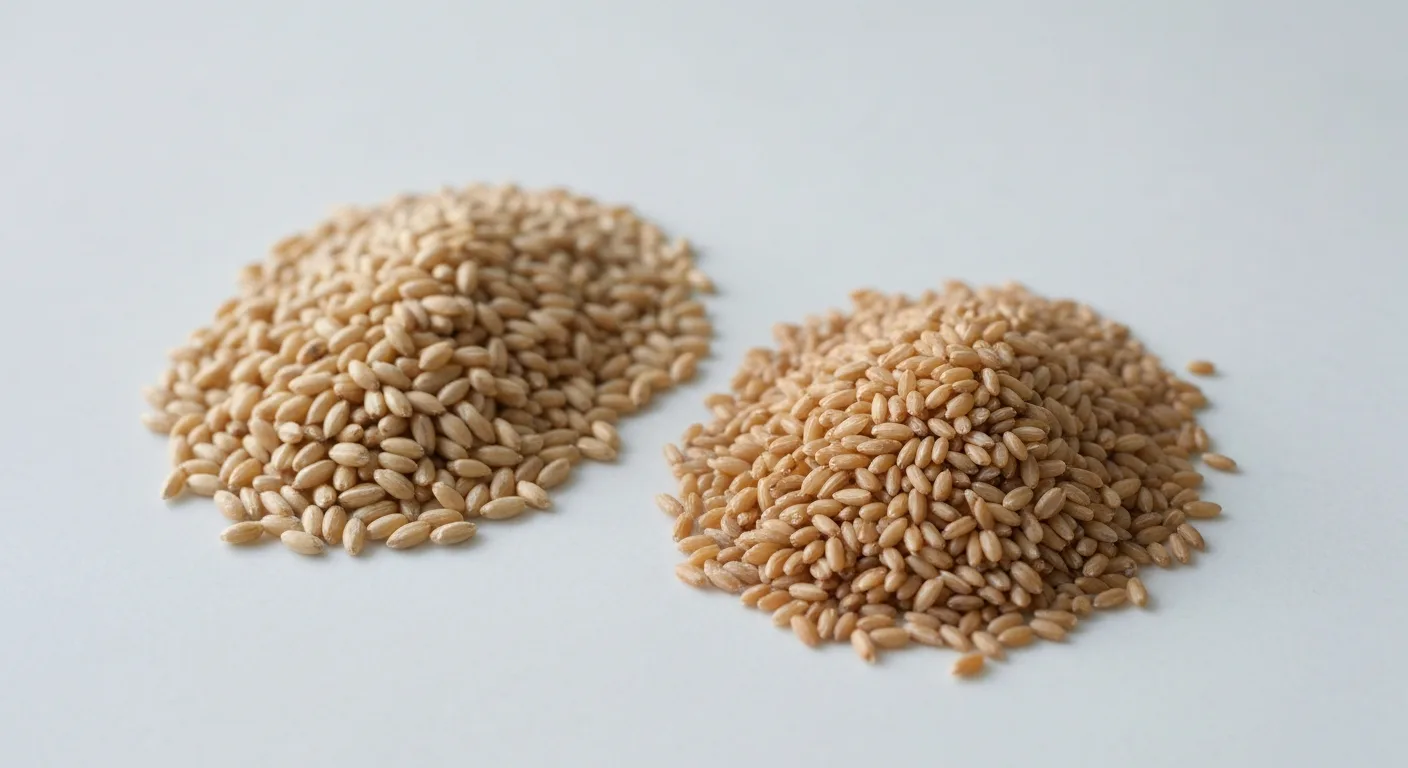
Ancient Grains and Celiac Disease: What's Safe and What to Avoid
A celiac-focused guide to ancient grains — which are safe, which contain gluten, and how to avoid cross-contamination.
Gluten-Free Ancient Grains: The Complete Guide
A comprehensive guide to naturally gluten-free ancient grains — quinoa, amaranth, teff, millet, sorghum, buckwheat, and more.
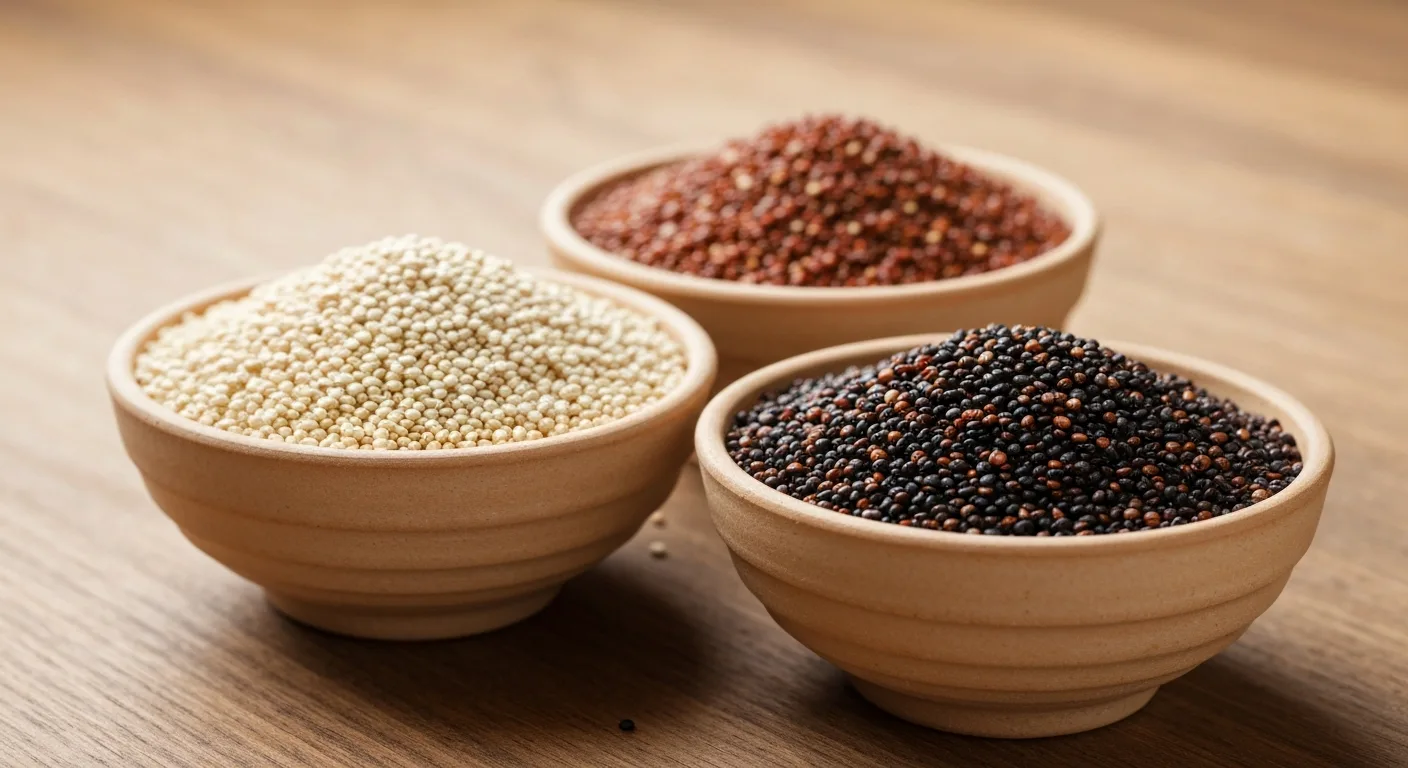
Quinoa: The Complete Guide to the World's Favorite Ancient Grain
Everything you need to know about quinoa — nutrition, cooking methods, varieties, health benefits, and why this Andean pseudocereal conquered the world.
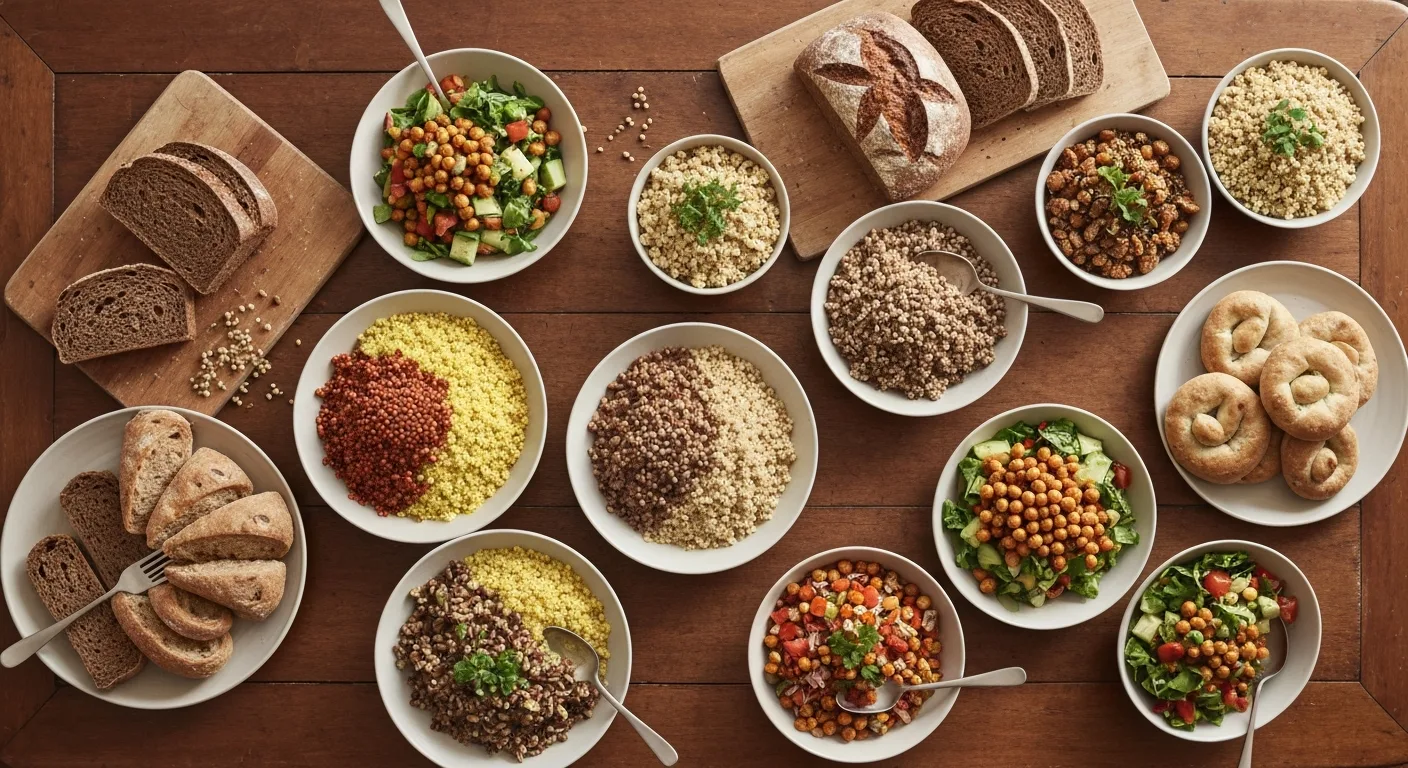
Ancient Grains Recipes: 15 Easy and Delicious Ideas
From quinoa bowls to farro risotto — 15 approachable recipes that showcase the versatility and flavor of ancient grains.